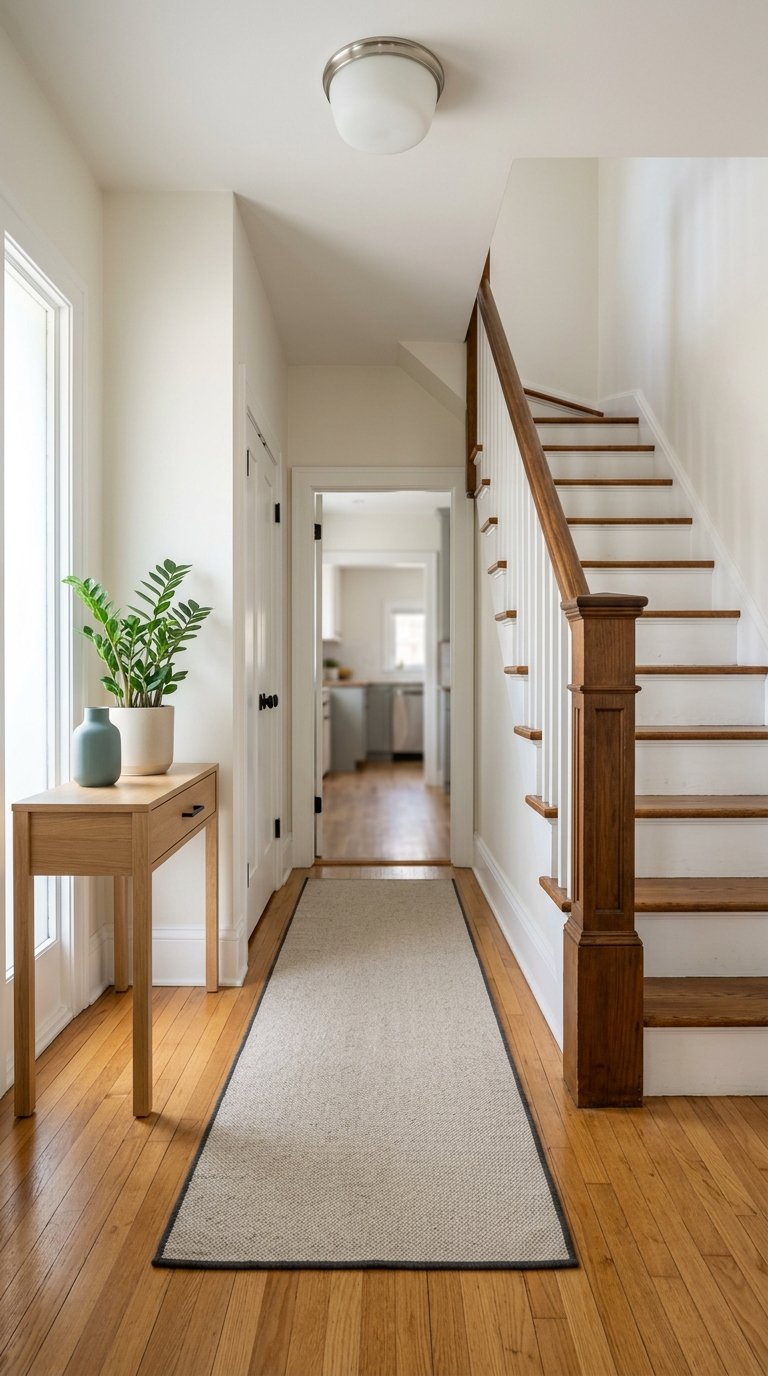
Wondering if an older home in Germantown is a hidden gem or a hidden project list? The truth is, it can be both. If you love original character but want a house that works for modern life, understanding what to expect can help you buy with confidence. Let’s dive in.
Why older homes stand out in Germantown
Germantown has deep roots, with settlement dating back to 1804 and a town plat laid out in 1814. The Gunckel Town Plat includes many 19th- and early 20th-century buildings in a National Register historic district, and the city highlights landmarks from the 1800s and early 1900s throughout town.
That history shapes the feel of many homes you may tour today. In practical terms, older Germantown homes may offer details, materials, and layouts tied to earlier building styles, along with update needs that come with age.
Germantown’s housing stock also leans heavily toward detached, owner-occupied homes. The city has 2,300 housing units, 87% single-unit structures, and an owner-occupied rate of 82.3%, with a median owner-occupied value of $205,900.
What character usually looks like
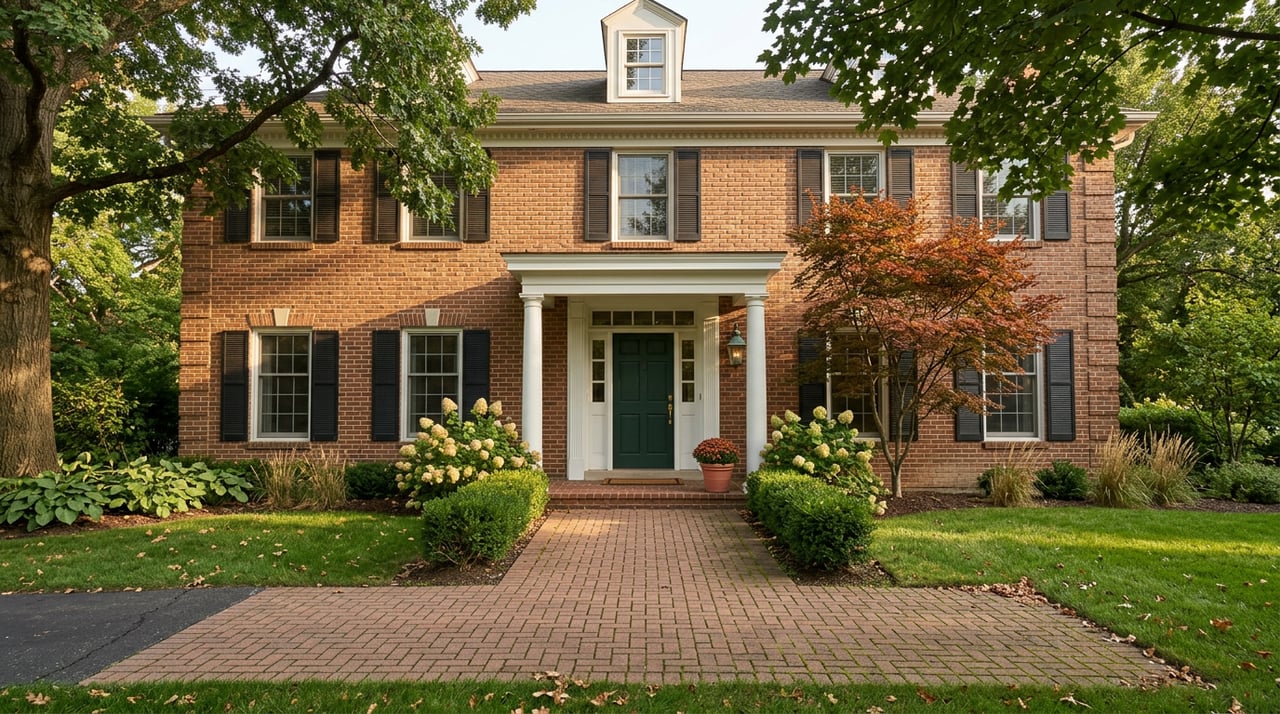
When buyers talk about character, they are often talking about features that feel hard to replicate in newer construction. In an older home, that may show up in trimwork, room definitions, porch design, or a layout that reflects how homes were used decades ago.
At the same time, character does not always equal convenience. Many older homes were built with more compartmentalized spaces and less storage, so part of your plan may be finding ways to improve function without stripping away what makes the home feel special.
What updates buyers often face
National Census Bureau analysis shows that new owners of older homes spent a median of $3,900 per year on upkeep, compared with about $1,500 for longtime owners. That makes one important point very clear: your purchase budget should include room for repairs and improvements after closing.
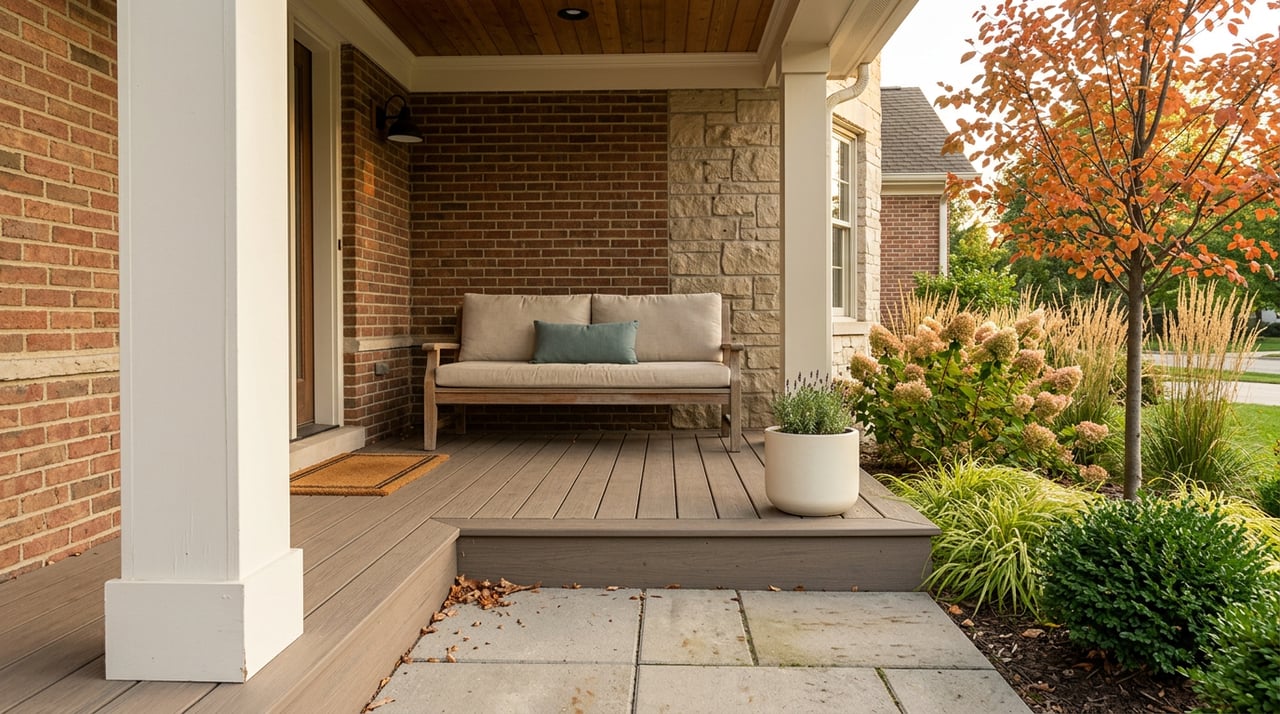
The most common interior projects in older homes include plumbing fixture replacements, flooring, drywall or paneling work, ceiling tile work, and water heater replacement. On the outside, common projects include windows, doors, roofs, and adding or replacing porches, decks, patios, or terraces.
Older homes also tend to be smaller. The Census Bureau found a median of 1,290 square feet of living space, which helps explain why kitchens, baths, and storage often become top priorities for buyers who want better day-to-day function.
Focus on function first
If you buy an older home in Germantown, your first projects may not need to be dramatic. Often, the smartest updates are the ones that improve how the house lives.
That could include:
- Updating plumbing fixtures
- Reworking worn flooring or wall finishes
- Improving storage in smaller rooms
- Replacing an aging water heater
- Refreshing a dated kitchen or bath over time
This kind of plan helps you protect your budget while still making progress. It also gives you time to learn the home before making bigger design decisions.
Efficiency upgrades that can pay off
Older homes often come with charm, but they can also feel drafty or uneven in temperature. That is why comfort and efficiency upgrades are worth reviewing early in the process.
ENERGY STAR says sealing air leaks and adding insulation can save up to 10% on annual energy bills. EPA also estimates average heating and cooling savings of about 15% when homes are air-sealed and insulated in key areas.
Replacement windows may also be part of your long-term plan. If the home needs envelope improvements, air sealing, insulation, and windows can work together to improve comfort and reduce energy waste.
Early efficiency items to evaluate
When you tour an older home, pay close attention to signs that the house may need efficiency work, such as:
- Noticeable drafts near windows or doors
- Rooms that feel much hotter or colder than others
- Older windows or doors in poor condition
- High-maintenance exterior components
These issues do not always mean you should walk away. They do mean you should factor likely improvements into your budget and offer strategy.
Inspections matter even more with older homes
Buying an older home confidently starts with knowing what you are taking on. HUD urges buyers to get a professional inspection before submitting an offer, and the CFPB notes that a satisfactory-inspection contingency can allow you to cancel without penalty if results are not acceptable.
That matters in an older-home purchase because deferred maintenance is common. An inspection helps you separate cosmetic concerns from more important items like water intrusion, roof condition, HVAC performance, plumbing leaks, or electrical issues.
Keep cosmetic and true budget items separate
A dated kitchen may not stop you from moving in. A failing roof, active leak, or major system issue is a different conversation.
When you review inspection findings, it helps to sort them into two buckets:
- Livable now, update later: finishes, style choices, older but functioning rooms
- Address sooner: safety items, leaks, roof issues, heating and cooling concerns, plumbing or electrical problems
That approach makes negotiations clearer and helps you decide where to ask for repairs, credits, or a price adjustment.
Lead paint rules to know
If the home was built before 1978, lead-based paint disclosure rules apply. That does not mean the home automatically has a lead hazard, but it does mean buyers have rights to disclosures, available records, a pamphlet, and an opportunity to test.
If you plan to remodel before moving in, this matters even more. Work that disturbs lead-based paint should be handled by a certified firm using lead-safe practices.
Germantown permit rules to check before you renovate
One of the biggest mistakes buyers make is assuming every update can start the day after closing. In Germantown, permits are required for new buildings, alterations, additions, remodeling, demolitions, changes in use, fences, sheds, detached garages, and similar construction work.
Some cosmetic work does not require a building permit. Germantown notes that siding, landscaping other than retaining walls, painting or wallpapering for maintenance, and storm or screen windows and doors are among the items that can be exempt. Plumbing permits are handled through Montgomery County.
Why this matters for your move-in plan
If your plan is mostly cosmetic, you may be able to move quickly. If you want to rework space, build an addition, or take on more substantial remodeling, you should verify permit requirements before finalizing your timeline and budget.
That step is especially important if you are buying a home because you love its historic look but also want to modernize it. The best renovation plans usually balance preservation, practicality, and local requirements.
Historic-property considerations
Germantown’s property maintenance code says provisions may be waived for existing buildings or structures designated historic by a federal or state agency or by the village. That does not remove ongoing upkeep responsibilities, but it does mean formally designated historic properties may require extra review when you scope future work.
If you are considering a home with recognized historic status, confirm what rules apply before making assumptions about renovations. It is much easier to plan smart updates at the front end than to redesign a project later.
How to budget your offer wisely
In older-home purchases, the best offer strategy usually reflects three things: known updates, the urgency of system or safety issues, and your comfort level with doing projects after closing. That is where practical guidance can make a real difference.
Instead of reacting to every older-home quirk, focus on what affects value, livability, and timing. A home with dated finishes may still be a strong buy if the major systems are solid and you have a realistic improvement plan.
A simple older-home budget checklist
Before you write an offer, think through:
- Your down payment and closing costs
- A repair reserve for near-term upkeep
- Whether you want funds set aside for cosmetic updates
- Which projects must happen before move-in
- Which projects can wait until you have lived in the home awhile
The goal is not to avoid older homes. It is to buy one with clear eyes and a plan that matches your budget.
Older homes in Germantown can offer a lot to love, from historic context to timeless details that newer houses often cannot match. The key is knowing how to evaluate character, prioritize updates, and budget for the work that helps the home fit your life.
If you want practical guidance on buying an older home and understanding what updates may matter most, Michelle McBride can help you look past the charm and make a confident decision.
FAQs
What should you budget for upkeep on an older home in Germantown?
- Census Bureau data show new owners of older homes spent a median of $3,900 per year on upkeep, so it is smart to plan for a repair reserve beyond the purchase price.
What updates are most common in older homes in Germantown?
- Common project categories in older homes include plumbing fixtures, flooring, drywall or paneling, water heaters, windows, doors, roofs, and porches, decks, patios, or terraces.
Should you skip an inspection when buying an older Germantown home?
- No. HUD urges buyers to get a professional inspection, and an inspection contingency can help protect you if the results are not acceptable.
Do older homes in Germantown always need permits for updates?
- No. Some cosmetic work may be exempt, but alterations, additions, remodeling, many accessory structures, and similar projects still require permits under Germantown rules.
What should you know about lead paint in an older Germantown home?
- If a home was built before 1978, lead-based paint disclosure rules apply, and buyers have rights to disclosures, records, and an opportunity to test.
Are historic homes in Germantown treated differently for renovation planning?
- Possibly. Germantown’s property maintenance code says some provisions may be waived for formally designated historic buildings or structures, so you should verify the applicable rules before planning work.