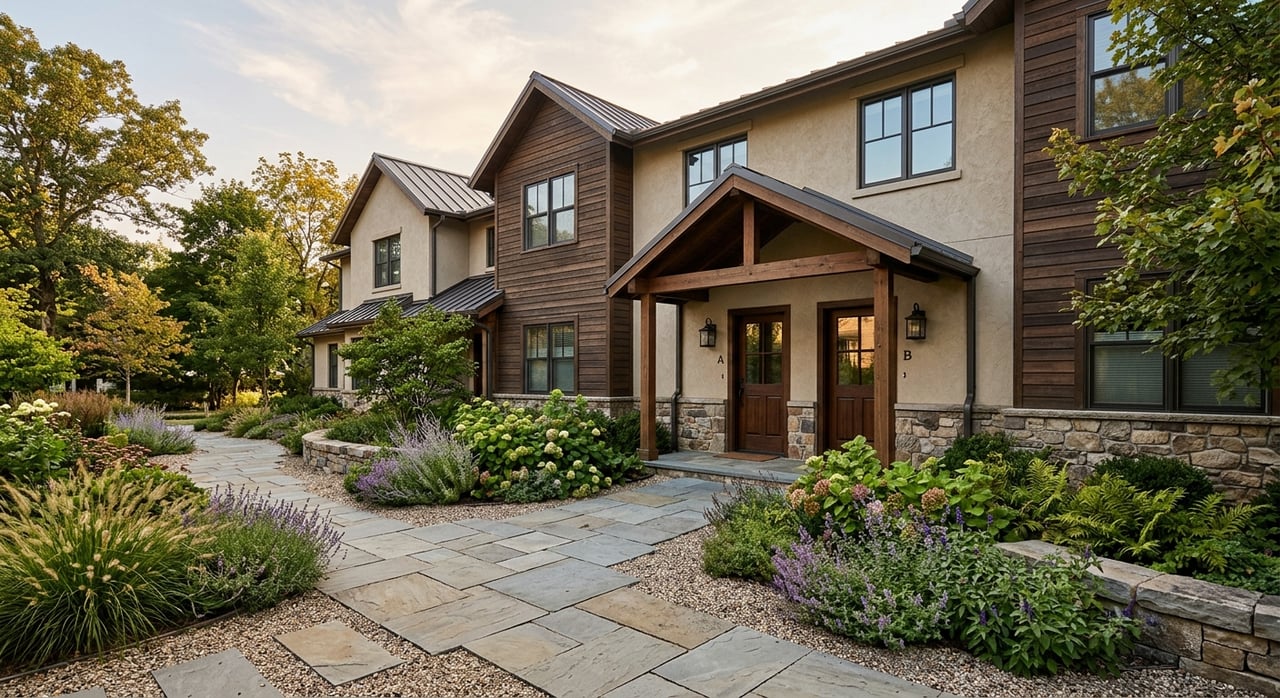
Buying your first home in Fairfield can feel like a tug-of-war between price, repairs, and long-term value. You may be wondering if an older resale gives you more space, if a condo makes life simpler, or if a newer home is worth stretching your budget. The good news is that Fairfield gives you more than one path to homeownership, and each option comes with clear trade-offs. If you know what to compare before you shop, you can make a choice that fits your budget and your day-to-day life. Let’s dive in.
Why Fairfield starter homes need a closer look
Fairfield sits about 20 miles north of Cincinnati and offers strong commuter access from the I-275 loop. That location matters if you want a practical drive to work while still looking in a suburban market.
The city’s housing numbers also show why first-time buyers need to look beyond sticker price. Census data shows a median owner-occupied home value of $234,500, median monthly owner cost with a mortgage of $1,523, and median household income of $77,937. Recent Redfin data places Fairfield’s median sale price near $300,000, with homes selling in about 40 days.
That means a starter home here is often more about monthly carrying cost than just the list price. In a somewhat competitive market where some homes receive multiple offers and the average sale is about 1% below list price, being clear on your budget early can give you a real advantage.
Compare your main starter-home options
Fairfield’s long-range housing plan shows a market that still leans heavily toward single-family homes. It reports that 59% of housing was single-family detached, while much of the housing stock is older, with only 25% newer than 30 years.
For most buyers, that creates three practical starter-home paths:
- Older resale homes for more space and established areas
- Condos or townhome-style options for lower day-to-day maintenance
- Modest newer homes or patio-home options for more modern systems and fewer immediate repairs
The right fit depends on what matters most to you: space, upkeep, or predictability.
Older resale homes in Fairfield
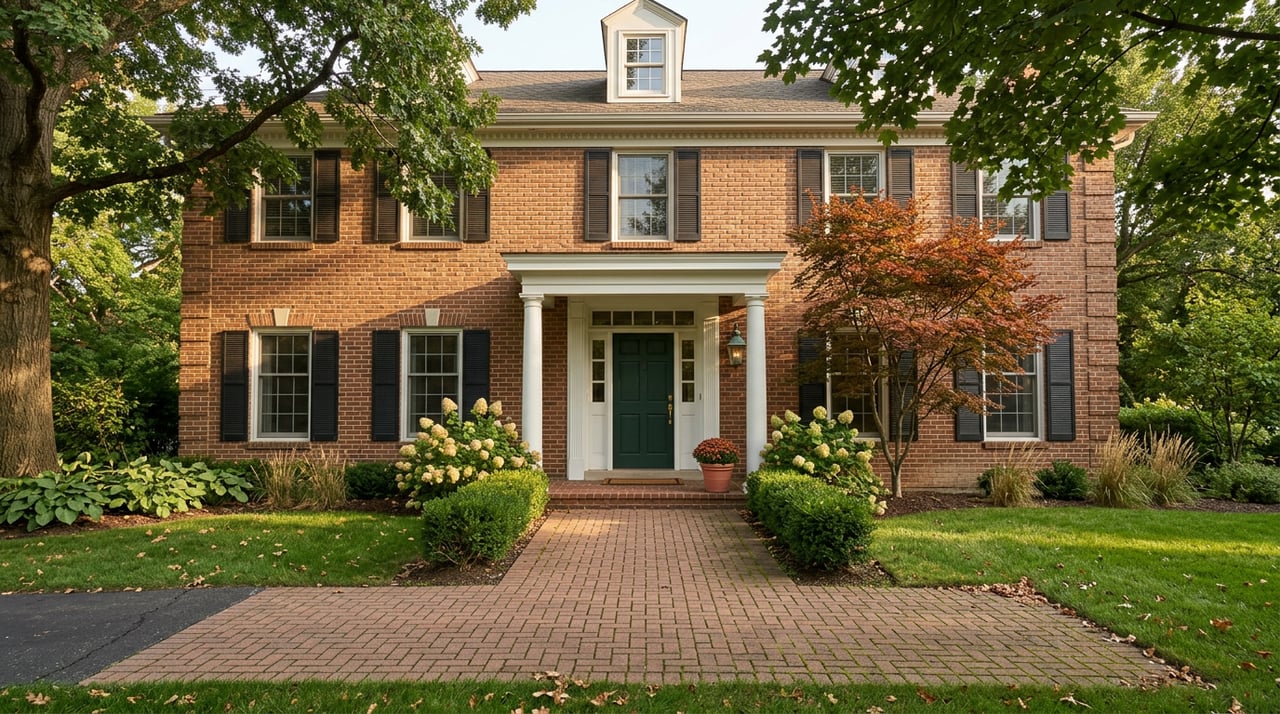
Older resale homes are likely the most common path into homeownership in Fairfield. If you want a yard, more square footage, or a home in an established area, this may be the option that gives you the most choices.
The trade-off is that older homes often bring more questions about condition. Roof age, HVAC performance, windows, plumbing, and past repairs can all affect your first-year costs.
Fairfield’s Development Services oversees building, zoning, permits, property maintenance, and inspections. The city also states that one-, two-, and three-family residential structures are regulated under the Residential Code of Ohio as incorporated into Fairfield’s ordinances. That makes permit history and code-related repairs important items to review during your due diligence.
This is where practical repair insight matters. A lower purchase price can look appealing at first, but if you need major work soon after closing, the cheaper home may not actually be the better deal.
When an older resale may make sense
An older resale could be a strong fit if you:
- Want more living space for your money
- Prefer a detached single-family home
- Are comfortable planning for maintenance and repairs
- Have savings set aside after closing
If you go this route, focus on total condition, not just curb appeal. Cosmetic updates are one thing. Big-ticket systems are what can change your budget fast.
Condos and low-maintenance choices
If you want simpler day-to-day ownership, a condo may be worth a serious look. In Ohio, a condo unit is real property, but the owner also holds an undivided interest in the common elements.
Those common elements can include roofs, halls, parking areas, and central systems. Under Ohio law, the costs to administer, operate, maintain, repair, and replace common elements are treated as common expenses, which is why condo ownership usually includes association dues and shared financial responsibility.
That setup can reduce the number of maintenance tasks you handle on your own. At the same time, it shifts part of your monthly housing cost into HOA dues, and it may expose you to reserve-related increases or special assessments.
What to review before buying a condo
Before you buy a condo in Fairfield, take a close look at:
- Monthly HOA dues
- What the dues cover
- Reserve-fund disclosures
- Rules that affect ownership and upkeep
- The property’s overall condition
- Your loan’s condo approval requirements
Financing is especially important here. Buyers using low-down-payment financing should verify condo eligibility early, because project review can involve insurance coverage, financial condition, title issues, pending legal actions, and property condition.
Fairfield’s housing plan also points to the value of updating existing condo and townhouse complexes to appeal to a wider range of buyers. That suggests condos and townhomes remain part of the local starter-home conversation, even in a market that still leans single-family.
Newer builds and patio homes
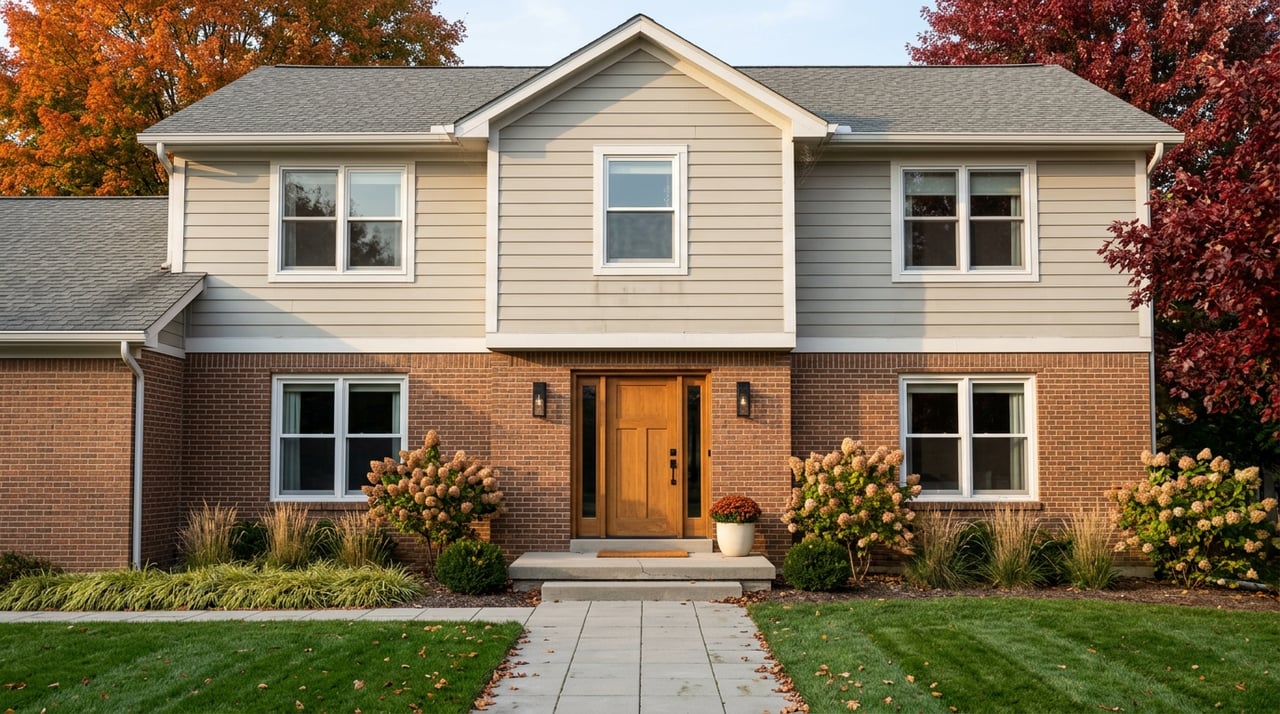
If your top priority is fewer immediate repairs, a newer home or patio-home option may stand out. With Fairfield’s housing stock trending older overall, newer product is comparatively limited, which can make these homes harder to find.
The upside is simple. Newer homes may offer more current layouts, updated systems, and a cleaner inspection report.
The trade-off is usually cost. With Fairfield home prices already near $300,000, a newer property may require you to compromise on square footage, finishes, or location to stay within your monthly target.
When a newer home may be worth it
A newer build or patio home may be a smart choice if you:
- Want more predictable maintenance in the first few years
- Prefer a modern floor plan
- Value updated mechanical systems
- Can accept less space or a higher price point
For some first-time buyers, this trade-off is worth it. Paying a bit more upfront can feel more manageable than taking on a long repair list right after closing.
Use monthly cost as your decision filter
One of the biggest starter-home mistakes is comparing homes by price alone. In Fairfield, the better question is often: what will this home cost you every month once everything is included?
Census data shows median monthly owner cost with a mortgage at $1,523, while median gross rent is $1,242. That gap is a reminder to run the full numbers before you commit.
Your monthly housing cost may include:
- Mortgage principal and interest
- Property taxes
- Homeowners insurance
- HOA dues, if applicable
- Utilities
- Maintenance and repair savings
A condo with a lower repair burden may still cost more each month once dues are added. An older resale may have a lower monthly payment on paper, but a roof or HVAC issue can quickly change the picture.
Questions to ask before you choose
If you are torn between resale, condo, and newer options, start with a few simple filters. These questions can help narrow your search fast:
- Do you want the lowest upfront price, the lowest maintenance burden, or the best resale potential later?
- Can your budget comfortably handle HOA dues and possible increases?
- Does your financing work for the property type you want?
- How much can you spend on repairs in year one without draining your savings?
- Do you want more space now, or more predictability with systems and upkeep?
These answers matter because they connect directly to the trade-offs Fairfield buyers face every day. The best starter home is not always the cheapest one. It is the one you can comfortably own and maintain.
Help with down payment planning
If down payment is one of the biggest hurdles, statewide programs may help. OHFA offers homeownership products that include 30-year fixed FHA, VA, USDA-RD, and conventional loans.
Its current down payment assistance is 3% for conventional loans and 3.5% for government loans, subject to eligibility and income limits. For many first-time buyers, that can make it easier to keep more cash available for inspections, repairs, and move-in costs.
How to choose the right Fairfield starter home
In practical terms, the choice often comes down to matching home type with lifestyle. Older resale homes may fit buyers who want space and can plan for maintenance. Condos may fit buyers who want lower day-to-day upkeep and understand shared expenses. Newer homes and patio homes may fit buyers who want more modern systems and fewer immediate repair concerns.
Fairfield gives you options, but each option asks something different from your budget. If you compare total monthly cost, property condition, and your comfort with maintenance, you will be in a much better position to buy with confidence.
If you want practical guidance on weighing repairs, monthly cost, and long-term resale potential in Fairfield, Michelle McBride can help you sort through the options and focus on the homes that truly fit your goals.
FAQs
What type of starter home is most common in Fairfield?
- Older resale single-family homes are often the most common starter-home option because Fairfield’s housing stock leans older and a large share of homes are single-family detached.
What should Fairfield condo buyers check before making an offer?
- You should review HOA dues, what those dues cover, reserve disclosures, property condition, and whether your financing works with the condo project.
Are newer starter homes easy to find in Fairfield?
- Newer homes are generally more limited because much of Fairfield’s housing stock is older, so buyers may need to compromise on size, finishes, or location.
Why does monthly cost matter more than list price in Fairfield?
- Monthly cost gives you a clearer picture because mortgage payment, insurance, taxes, HOA dues, utilities, and repair savings can make one home type more affordable than another.
Are there first-time buyer programs available for Fairfield homebuyers?
- OHFA offers statewide homeownership products, including 30-year fixed FHA, VA, USDA-RD, and conventional loans, along with down payment assistance for eligible buyers.