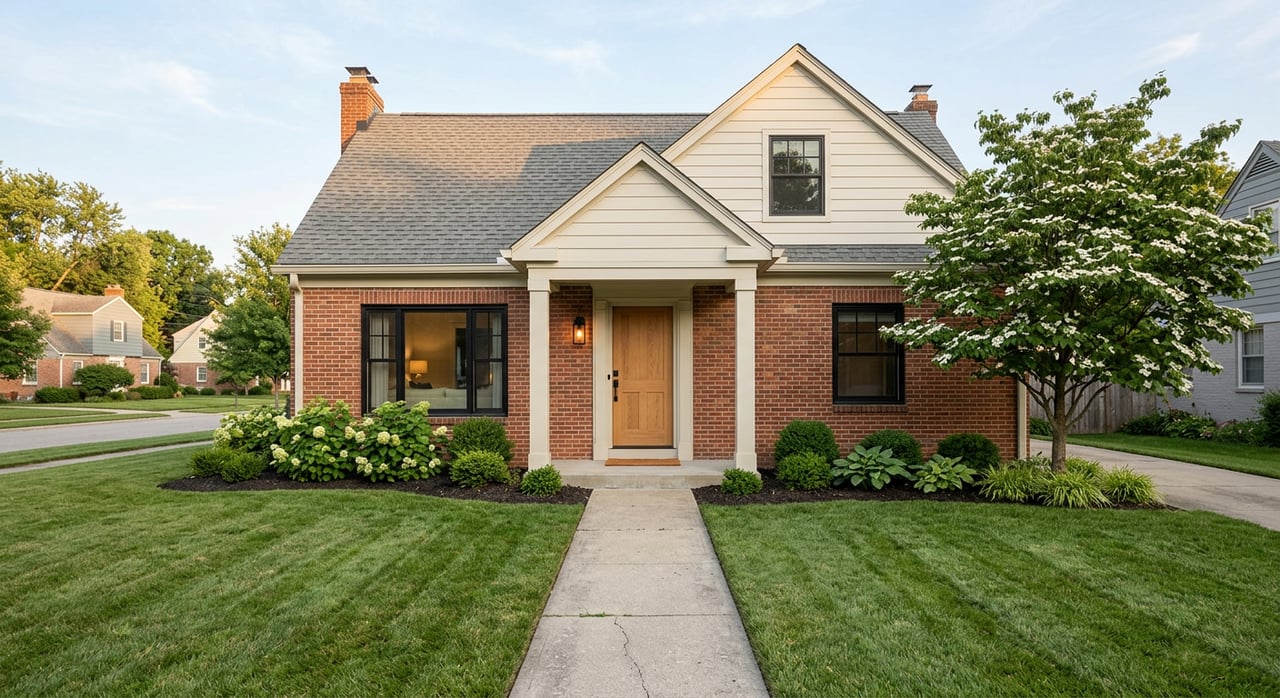
Pricing a home in Montgomery can feel tricky when every website tells you something different. One snapshot shows one median price, another shows a much higher number. You want clarity and a plan that works in a small, high‑value market. In this guide, you’ll learn how to set a data‑driven price, what prep actually supports your number, and when to adjust so you do not leave money on the table. Let’s dive in.
Montgomery market reality today
Montgomery’s market is small, so monthly stats swing a lot. For example, Redfin’s February 2026 snapshot showed a median sale price near $590,000 and about 87 days on market, with only seven homes sold that month. Realtor.com’s December 2025 snapshot reported a median around $797,500 and roughly 76 days on market. Other portals that aggregate a full year showed a median near $643,000 with a much shorter average time to sell.
Those spreads do not mean anyone is wrong. They use different time windows and methods. In a city where only a few dozen homes sell each year, one luxury closing or a slow month can move the median a lot. That is why your pricing anchor should be a live, MLS‑based comparative market analysis for your home and micro‑neighborhood.
According to U.S. Census QuickFacts, Montgomery has a high owner‑occupied rate of about 89%, a 2019–2023 median owner‑occupied home value near $505,800, and a median household income around $148,438. That context helps explain why condition and presentation matter so much to buyers here. See Montgomery, OH QuickFacts.
Why small samples swing medians
With just a handful of monthly sales, one or two high‑end transactions can pull the median up. A quiet period in the luxury tier can pull it down. If you try to price from a single portal snapshot, you risk chasing noise. Use a CMA, not a guess.
City vs ZIP vs micro‑markets
Montgomery’s 45242 ZIP covers several pockets with their own price‑per‑square‑foot norms. Subdivisions like Orchard Club and Wellerwoods can behave differently than a street half a mile away. Compare your home to recent sales within about 0.5 to 1 mile, in the same price band and with similar features. Many buyers also weigh assigned schools and overall neighborhood condition, so apples‑to‑apples comparisons matter.
Build a defensible list price
A strong CMA gives you confidence and credibility. Here’s a simple checklist based on established industry guidance.
- Pull 3 to 6 very recent closed sales, ideally within the last 30 to 90 days if available. Record address, sale date, price, days on market, beds, baths, finished square feet, lot size, and notable features. See NAR’s consumer guide for what goes into a data‑driven CMA. NAR: What goes into pricing your home.
- Add 3 to 5 current actives and pendings to see your real‑time competition and what buyers are choosing today. Include any recent expireds to flag price ceilings.
- Adjust your comps for objective differences: square footage, lot size, bedroom and bath count, finished lower level, garage, age of major systems, and notable features like a modernized kitchen or a true primary suite. Document each adjustment so the logic is clear. NAR’s consumer guidance supports this method. NAR pricing guide.
- Convert the adjusted range into a price band tied to your time goal. For example, “List at $X to expect offers around $A within Y days based on recent sale‑to‑list ratios.” Show which buyer filters will find your home at that price point.
- Test sensitivity against near‑market actives. If two listings similar to yours are priced $50,000 lower, buyers will notice. If you are the clear value in your segment, say so and price with confidence.
Turn your CMA into a plan
Your CMA should end with a recommended list‑price band and an expected days‑on‑market range. In Montgomery, where month‑to‑month DOM varies, treat the first two weeks after listing as your validation window. If the market agrees with your price, you will see healthy online activity and solid showings quickly.
How many comps are enough
For most Montgomery single‑family homes, 3 to 6 closed comps plus 3 to 5 actives or pendings is a practical, defensible set. Portal estimates can be a starting reference, but the MLS CMA is your final authority.
Prep that supports your price
You do not have to overhaul everything to get a great result. Conservative, high‑impact prep paired with strong pricing usually outperforms big, last‑minute renovations.
- Professional photos, a simple floor plan, and a clear, benefits‑focused description. These are low‑cost and high‑impact items that lift perceived value.
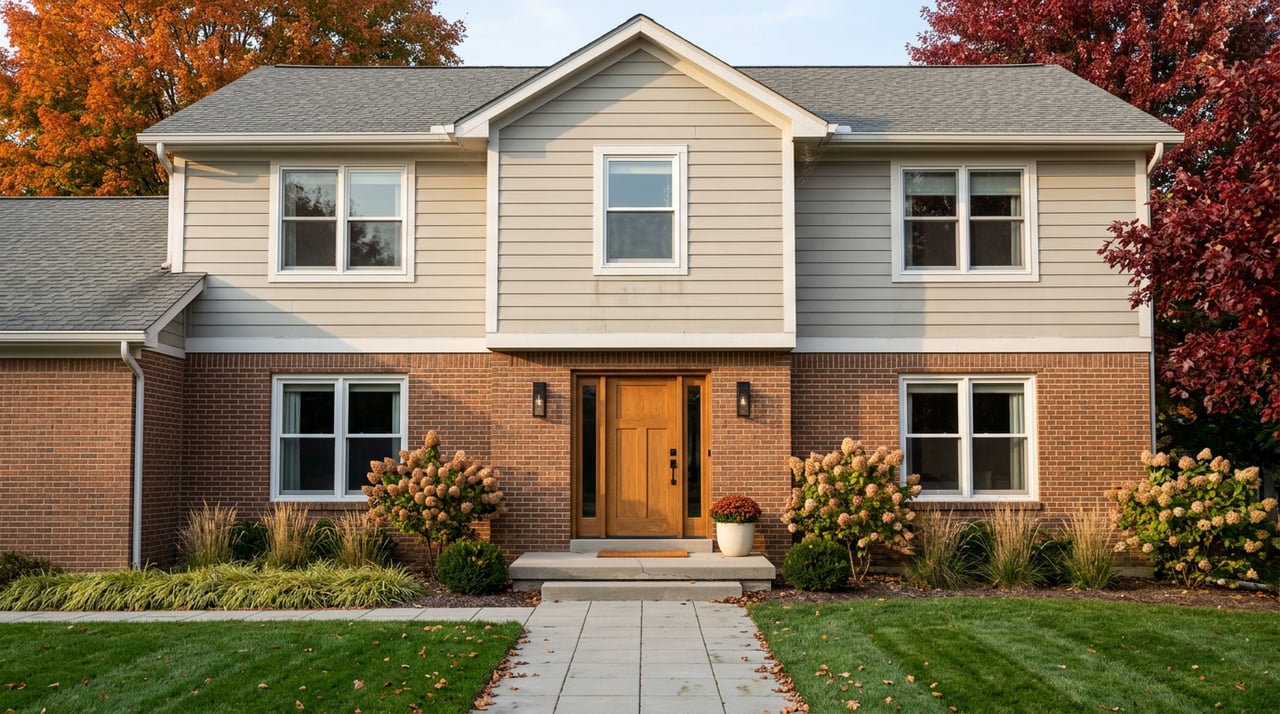
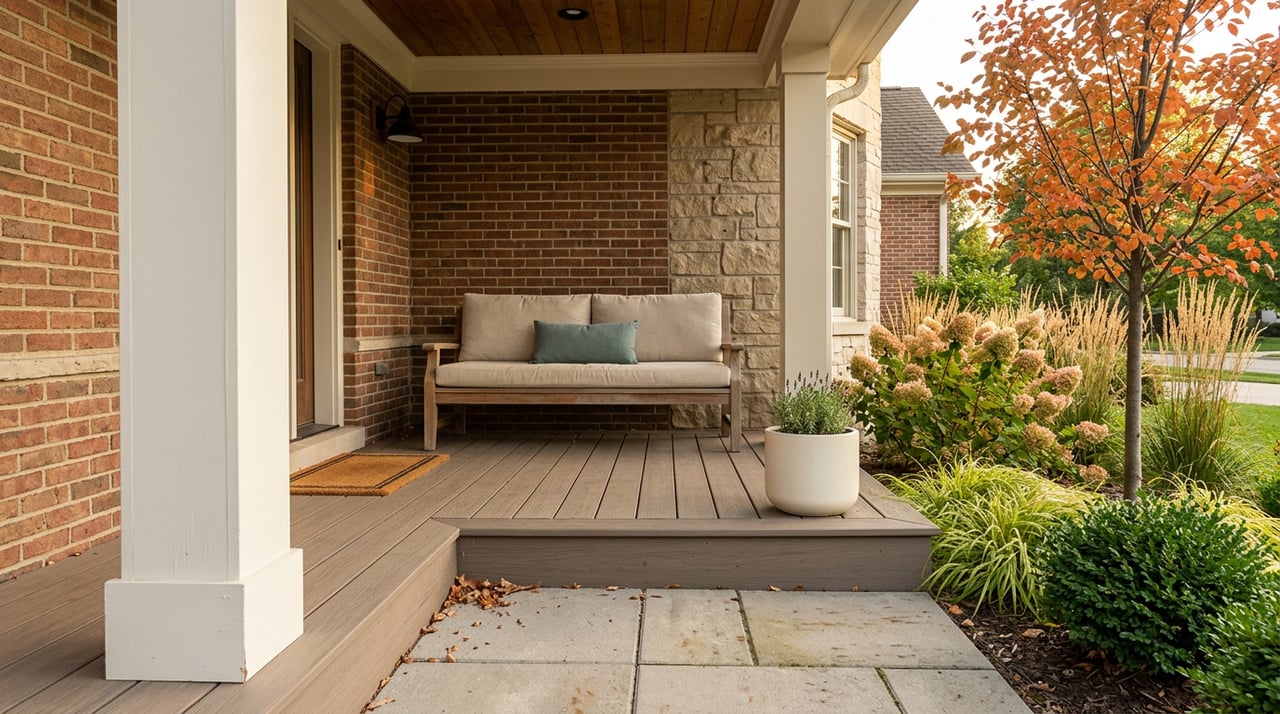
- Curb appeal updates. Mow and edge, pressure wash, refresh mulch, repaint the front door, update house numbers, and consider a garage or entry‑door refresh. The 2025 Cost vs. Value report highlights curb‑appeal projects among the strongest for cost recovery. 2025 Cost vs. Value highlights.
- Minor interior repairs and neutral paint. Patch, caulk, fix loose hardware, and touch high‑traffic walls. Neutral tones help more buyers imagine themselves in the space. NAR’s seller guidance supports these fundamentals. NAR pricing and prep guide.
- Staging or targeted styling. If budget is tight, consider partial or virtual staging to highlight layout and scale. In a small market, great presentation helps your home stand out in search results.
- Larger projects. Run the math before you swing a hammer. National data shows midrange, targeted updates often recoup more than big gut remodels. In Montgomery, check your neighborhood’s price ceiling. If a feature is already common at the top of the comp set, a focused upgrade might help. If not, you might net more by pricing to market and letting the buyer tackle major changes after closing. Cost vs. Value methodology.
The critical first two weeks
Most buyer attention concentrates right after your home hits the market. Well‑priced homes typically see their strongest engagement and best offers early. If you list high and wait, you can miss that first‑impression window.
Plan a 2‑week check‑in before you go live. Track listing views, saves, inquiry volume, and showings against what similar homes saw. If you are not getting traction within 7 to 14 days, address it fast.
- If traffic is light, start with presentation: refresh the lead photo, reorder images, clarify the description, and correct any listing errors.
- If showings are low despite good online views, price is usually the issue. When you adjust, make it meaningful. Small, repeated cuts can signal staleness. A single, well‑calibrated reduction that moves you into the next buyer search bracket is often more effective.
Seasonality in Cincinnati suburbs
Spring typically brings more buyers, with April through June often showing faster sales in many markets. If you must list off‑peak, plan a more competitive list price and an extra‑strong marketing push. Your CMA should include month‑by‑month patterns from nearby comps so you set expectations for timing and price.
A simple 4‑step pricing flow
Start with your CMA range. Use 3 to 6 closed comps plus current actives and pendings, adjusted for features.
Pick your list price based on your time window and the buyer pool at that threshold. Confirm how your home will display in common search filters.
Measure the first 14 days. Watch views, saves, showing counts, and feedback. Compare to recent local norms.
Act on the data. If engagement is soft, improve presentation and refine price to recapture attention. If interest is strong, lean into momentum and negotiate from a position of strength.
Local guidance you can trust
Montgomery buyers look closely at condition, layout, and finish quality. They also pay attention to assigned schools and neighborhood setting. A crisp CMA and market‑ready presentation work together to support your price.
With nearly two decades of rehab and property‑management experience and a staging certification, I bring practical pricing and prep insight to every listing. I will pull the right comps for your street and subdivision, map your buyer pool, coordinate targeted updates, and stage your home so it shines in photos and in person.
Ready to price with confidence and sell on your timeline? Connect with Michelle McBride for a local, data‑driven pricing plan and a market‑ready listing strategy.
FAQs
How should I price my Montgomery home when online medians conflict?
- Start with a live MLS CMA that uses 3 to 6 recent closed sales plus actives and pendings within 0.5 to 1 mile, then adjust for features; treat portal medians as general context, not your list price.
Which updates usually give the best resale ROI in Montgomery?
- Low‑cost, high‑impact items like curb appeal upgrades, a fresh front door or garage door look, professional photos, and neutral paint often pay off more than big remodels, based on 2025 Cost vs. Value data.
How long should I wait to adjust price if my listing is slow?
- Use a 7 to 14 day check‑in; if views and showings are below recent local norms, improve presentation and consider a single, meaningful price change that moves you into the next buyer search bracket.
Do schools affect how I should choose comps?
- Yes. Compare your home to recent sales with similar assigned schools and near‑identical location, price band, and features so you capture the same buyer pool.
Is underpricing to spark multiple offers a good idea in Montgomery?
- It can work in very specific cases with clear buyer depth, but it is risky; base that call on a tight CMA and real‑time competition, not on a blanket rule or emotion.