If your weekdays already feel packed, where you live can make a big difference. You want a place that keeps commuting, errands, recreation, and housing choices manageable without adding extra stress. In Fairfield, Ohio, daily life tends to work well for households that need convenience and flexibility, especially if you split time between work, home, and activities across the Cincinnati-Dayton corridor. Let’s dive in.
Why Fairfield fits busy schedules
Fairfield is a mid-sized suburban city in Butler County with about 44,907 residents. It sits about 20 miles north of Cincinnati on the northern loop of I-275, which gives you practical access to several major routes.
For many households, that location is the biggest lifestyle advantage. The city notes direct connections through Union Centre Boulevard and State Route 4, with access to I-275, I-75, I-71, and I-74. If your routine includes commuting, regional errands, or visiting different parts of southwest Ohio, that road network can save time.
Fairfield also positions itself as accessible to both the Cincinnati and Dayton markets through I-75. That makes it useful if your household is not centered on just one metro area. Instead of feeling tucked away, Fairfield functions more like a connected suburban base.
Commute options in Fairfield
For drivers, Fairfield is clearly a car-oriented community. The U.S. Census Bureau reports a mean travel time to work of 23.8 minutes, which gives you a helpful snapshot of what everyday commuting can look like.
If you commute toward downtown Cincinnati, there is also a limited but useful transit option. Butler County Regional Transit Authority’s CincyLink offers four peak morning round trips and four peak afternoon round trips, with service to Government Square and the Riverfront Transit Center.
That route matters if you want a backup to driving or a more predictable downtown commute during the workweek. The fare is $3 per single ride, and Fairfield also connects into a wider BCRTA network that reaches Hamilton, Oxford, Springdale, and Cincinnati Metro connections in Springdale through the R6.
For Dayton-bound commuters, the research points more toward an interstate drive than a transit-based routine. In practical terms, Fairfield works best for people who are comfortable with a drive-first lifestyle and want strong highway access.
Errands and shopping stay practical
One of the biggest questions for a busy household is simple: can you get things done close to home? In Fairfield, the answer is often yes.
The city describes itself as a business hub with more than 1,200 businesses. Larger employers and recognizable names are part of the local mix, but what matters most for everyday life is the layout of shopping, dining, and services.
Rather than having one single mall district, Fairfield’s retail and dining activity is concentrated along the Route 4 corridor. City materials describe Route 4 as the main commercial corridor and a major north-south connector, which helps explain why so many daily errands can be handled in a fairly direct path.
That setup can make life easier. You are not piecing together stops across a scattered map as often, and you can usually combine groceries, appointments, takeout, and basic shopping into one trip.
Fairfield’s Town Center also adds another layer to the local routine. The area includes a DORA and serves as more of a casual evening-out destination, while newer dining spots continue to cluster along Route 4 and Dixie Highway.
If you sometimes need wider regional retail access, BCRTA routes also connect to shopping nodes like Tri-County Mall. So while Fairfield supports close-to-home convenience, it also keeps broader options within reach.
Parks and recreation are built into daily life
A busy schedule does not leave much room for long drives just to find something to do. Fairfield stands out because recreation is spread throughout the city rather than limited to one major destination.
The city says it has 28 publicly accessible outdoor spaces. A city budget book lists 41 parks and recreation amenities totaling 845 acres, including bike and hike paths, an aquatic center, a dog park, a fishing lake, golf courses, and the Community Arts Center.
For you, that means recreation can be easier to fit into a normal week. Instead of treating outdoor time or activities like a special event, you have more opportunities to work them into your regular routine.
Village Green Park and Town Center events
Village Green Park is one of the most visible community gathering spots in Fairfield Town Center. It hosts events such as Groovin’ on the Green, Movies in the Park, and Touch a Truck.
That kind of recurring programming matters more than it might seem. When community events happen regularly and in a central location, it is easier to join in without a lot of planning.
Harbin Park for active households
If your version of a good afternoon looks more active, Harbin Park gives you another option. It includes walking and biking trails, mountain biking, disc golf, pickleball, and sports fields.
This makes Fairfield appealing for households that like flexible recreation. You can go for a quick trail walk, spend time outdoors on the weekend, or fit in a more active outing without leaving the city.
Arts and summer fun close by
The neighboring Community Arts Center adds indoor variety with theater, gallery space, pottery, and fitness-oriented programming. The Fairfield Aquatic Center is another seasonal draw during the summer months.
Taken together, these amenities support a lifestyle that feels balanced. You have places for outdoor activity, community events, creative programs, and seasonal fun without needing to drive all over the region.
Housing in Fairfield at a glance
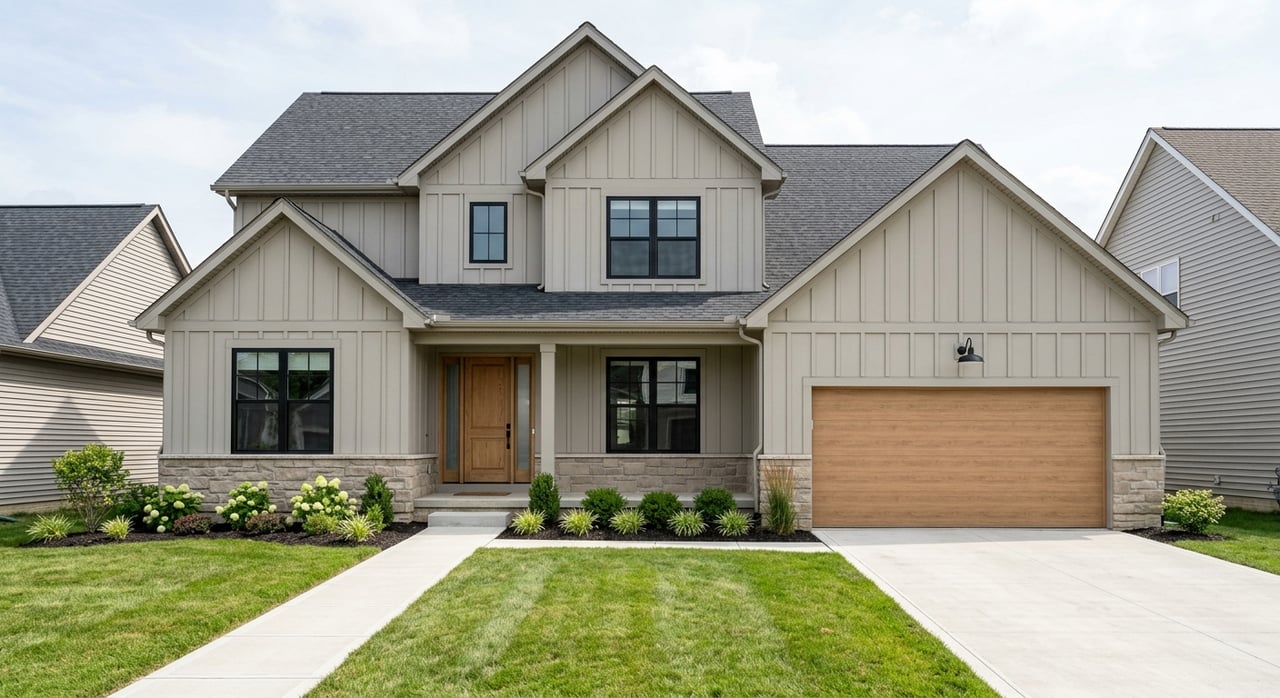
Fairfield still reads primarily as a single-family suburban market. According to a 2025 city brochure, 60% of residential housing is single-family, and Census QuickFacts shows a 63.2% owner-occupied rate.
That gives you a sense of the overall housing pattern. If you are looking for a traditional suburban setup, Fairfield offers a strong owner-occupant base while still maintaining rental options for people who are not ready to buy yet.
Census data lists a median owner-occupied home value of $234,500 and a median gross rent of $1,242. Those figures help frame Fairfield as a market where both buying and renting remain relevant parts of the local housing picture.
Realistic home price ranges
Current market snapshots vary depending on the source and whether the number reflects sale price, list price, or an owner-occupied valuation estimate. Still, the available data clusters in a fairly consistent range.
Zillow shows a March 2026 median sale price of $243,833 and a median list price of $288,667. Redfin reports a March 2026 median sale price of $282,400, and Realtor.com shows an April 2026 median sold price of $260,437 with a median listing price of $295,000.
The safest takeaway is that Fairfield generally offers entry-to-mid-priced suburban housing options. If you are comparing communities in the Cincinnati-Dayton corridor, that range may put Fairfield on your list if you want suburban space with regional access.
What daily life really feels like
When you put the pieces together, Fairfield feels practical. It is a car-oriented suburban hub with strong highway access, a useful Cincinnati commuter transit option, concentrated retail corridors, and a parks system that supports everyday routines.
That combination can work well if your household calendar is full. You can handle errands locally, reach major routes without much trouble, and find activities close to home during the week or on weekends.
For buyers, that kind of functionality often matters just as much as square footage. A home can look great on paper, but daily life is shaped by drive times, nearby amenities, and how easy it is to keep your routine moving.
For sellers, these same features help explain Fairfield’s appeal to a broad range of buyers. When a home is well-prepared and clearly positioned around convenience, access, and everyday livability, it can connect more strongly with today’s market.
If you are weighing a move in Fairfield or anywhere along the Dayton-Cincinnati suburban corridor, working with someone who understands both lifestyle fit and property condition can help you make a smarter decision. Michelle McBride brings practical local insight, hands-on renovation knowledge, and a thoughtful approach to helping buyers and sellers move with confidence.
FAQs
Is Fairfield, Ohio good for Cincinnati commuters?
- Fairfield offers strong highway access to Cincinnati, and BCRTA’s CincyLink provides peak-hour weekday service to downtown Cincinnati locations.
What is shopping like in Fairfield, Ohio?
- Fairfield’s shopping and dining are concentrated along the Route 4 corridor, with additional activity in Town Center and access to regional retail through BCRTA connections.
What parks and activities are available in Fairfield, Ohio?
- Fairfield offers a broad park system with outdoor spaces, trails, sports fields, an aquatic center, a dog park, golf courses, and arts programming at the Community Arts Center.
What is the housing market like in Fairfield, Ohio?
- Fairfield is mostly a single-family suburban market, with current home price snapshots generally landing in the mid-$200,000s to low-$300,000s depending on the source and metric.
Is Fairfield, Ohio better for drivers or transit users?
- Fairfield is best described as a drive-first community, though it does offer a limited but useful transit option for Cincinnati-bound commuters through CincyLink.