Thinking about life in Miamisburg and how your day would actually flow? From the morning drive to time at the park and quick errands, the little details matter when you choose a community. You want a place that fits your routine and gives you options for weekends and after-school hours. This guide walks you through commutes, parks and trails, and the everyday basics so you can picture your life here. Let’s dive in.
Miamisburg at a glance
Miamisburg sits along the Great Miami River within the Dayton metro area. You’ll find a historic downtown core paired with established neighborhoods and newer subdivisions. The result is a small-city feel with suburban convenience.
If you value community events, walkable blocks in some areas, and easy access to regional job centers, Miamisburg offers a balanced lifestyle. The mix of home styles and park access makes it a strong fit for many stages of life.
Commutes and getting around
Driving to work
Most residents drive to work. Arterial roads connect quickly to the Dayton-area interstate network, making downtown Dayton and nearby job hubs common destinations. Some residents travel to other regional centers, while commutes to Cincinnati or Columbus are longer and depend on timing and route.
To plan your routine, test-drive your commute during peak hours. Pay attention to school start times and construction, which can change drive times.
Transit and ride options
Regional bus service operates across the Dayton metro, with routes and timetables that change by season and demand. Check the latest schedules to see current service that reaches Miamisburg’s activity centers and park-and-ride options. Carpool and vanpool programs, as well as private ride services, can help you reduce car use.
If you have flexibility, you can mix modes through the week. Many commuters drive on busy days and use transit or rideshare on lighter ones.
Biking and walkability
Walkability varies by neighborhood. The historic downtown and nearby blocks tend to be more walkable, while many subdivisions are car-oriented. You’ll see recreational biking on local streets and multiuse trails, with some residents using bikes for short errands.
If biking is part of your plan, review trail connections and on-street infrastructure near the homes you’re considering. Proximity to a trailhead can make a big difference in how often you ride.
Parks, trails, and the river
Signature spots
The prehistoric Miamisburg Mound is a defining local landmark and a public park space. It gives you a tangible link to the area’s deep history. Along the Great Miami River, you’ll find river-corridor amenities like green space and paths for walking and biking.
If you enjoy open space, you’ll appreciate how the riverfront and local parks anchor neighborhood life. Bring a blanket, pack a picnic, and make a habit of evening walks.
Trails and outdoor miles
The Dayton region features an extensive, paved multiuse trail network that connects many suburbs to activity centers. Trails near Miamisburg support long recreational rides, short family loops, and fitness runs. Surfaces are typically paved and friendly for bikes, strollers, and walkers.
Before you head out, check regional trail maps for access points, mileage options, and parking. It’s an easy way to build active time into your week.
Recreation programming
City parks commonly offer playgrounds, sports fields, and seasonal programming for kids and adults. Depending on the season, you may find youth leagues, fitness classes, and special events. Many families plan summer around park activities, splash features, and community gatherings.
Programming can change by season, so review current offerings when you register. Popular options fill fast.
River and floodplain notes
Living near the Great Miami River adds beauty and recreation, and it also means you should understand floodplain designations. Some properties and park areas may lie in FEMA-mapped flood zones. Always review FEMA flood maps and consult local city or county planning for the latest information.
If a property is in a mapped flood zone, talk with your insurance agent early. Coverage requirements and costs vary by location and lender.
Daily life: errands, dining, and services
Downtown and shopping hubs
Miamisburg’s historic downtown features local restaurants, coffee spots, and small businesses. It’s a comfortable place to meet friends, grab a treat, or attend community events. Outside downtown, retail corridors and shopping centers provide grocery options, national chains, and everyday services.
If convenience matters, look for homes with quick access to your preferred stores. Cutting five minutes from errands adds up over a week.
Schools and learning
Miamisburg City Schools is the primary public district serving the city. Families often review district profiles, state report cards, and boundary maps when comparing addresses. Private or parochial options in the broader area can supplement your search.
Verify school assignments with the district before you make an offer. Boundaries and program offerings can change year to year.
Healthcare and essentials
You’ll find local primary care and urgent care options in and around the city, with regional hospitals located across the Dayton metro. For peace of mind, map your nearest emergency department, pediatric care, and pharmacy.
If you have a specific provider network, confirm locations and hours in advance. Weekend and after-hours access can be a key quality-of-life factor.
Home types and neighborhood feel
What you can find
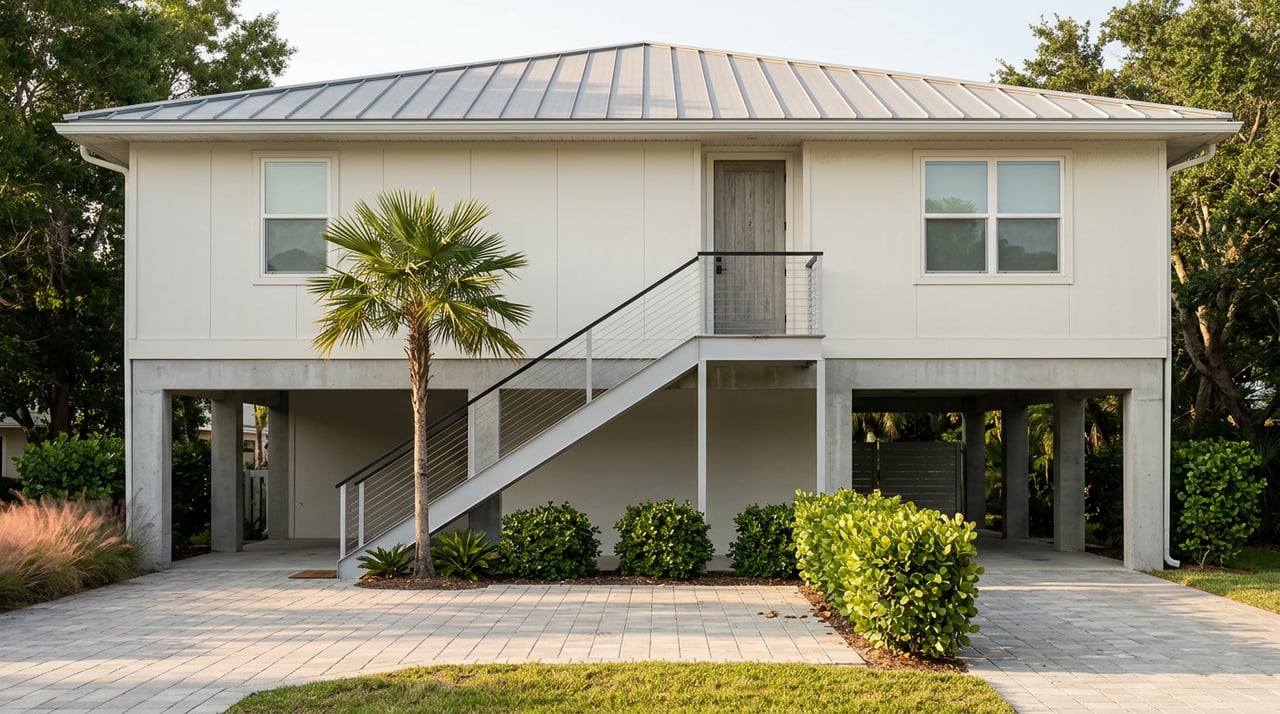
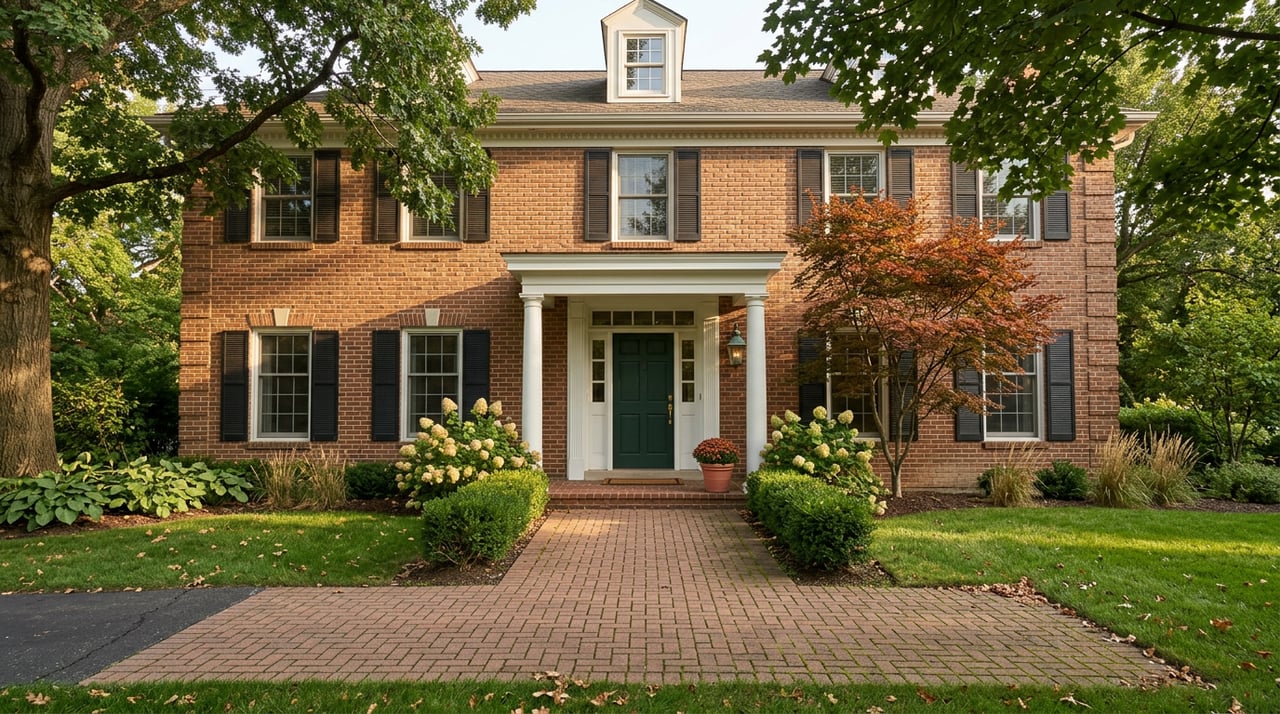
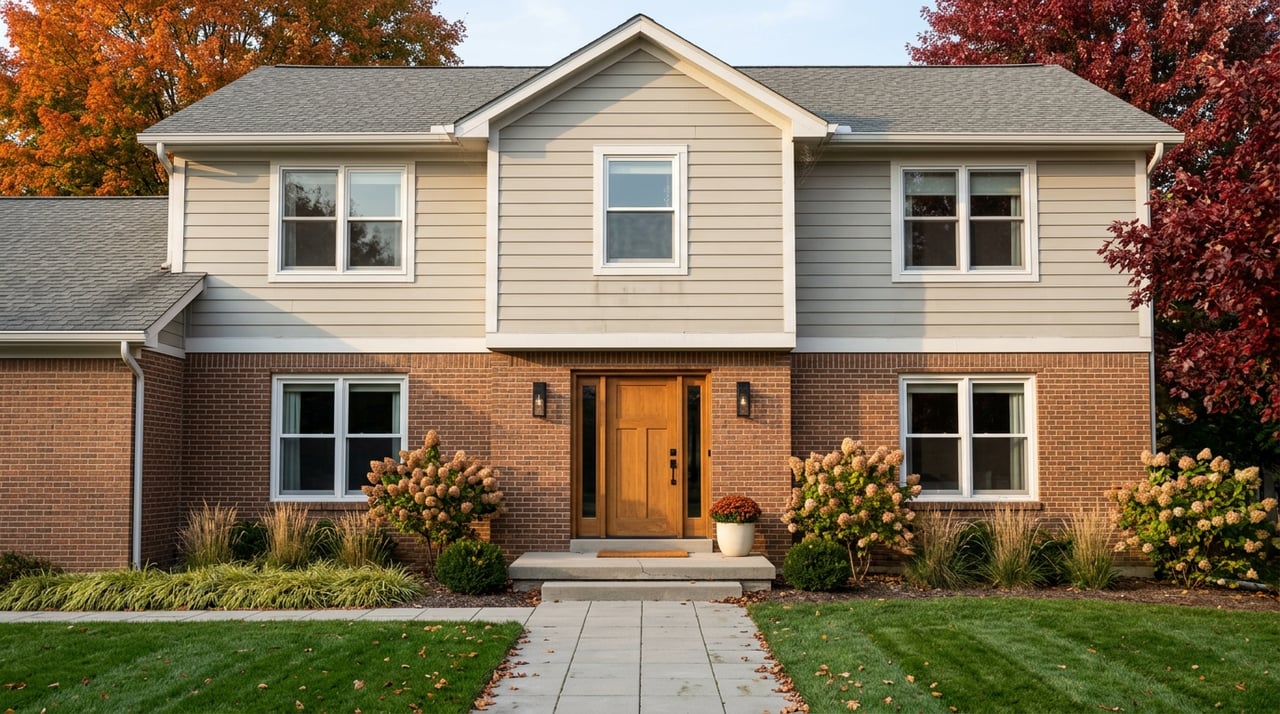
You can expect a range of homes: historic houses near downtown, post-war and mid-century neighborhoods, newer subdivisions, and pockets of townhomes, condominiums, and apartment communities. Many buyers prioritize yard space, updated interiors, or proximity to parks and trails.
If you like character features, the older housing stock near downtown may appeal to you. If low-maintenance living is your goal, a newer subdivision or townhome could fit.
What buyers value
Common decision points include walkability, commute time, school proximity, and access to parks and trails. Some buyers want a short drive to interstates, while others focus on being near downtown amenities. Your lifestyle should drive the tradeoffs you make.
Talk through your top three must-haves before touring. It keeps your search focused and productive.
Floodplain, taxes, and HOAs
Property taxes and assessments vary by parcel. The Montgomery County Auditor is your best resource for tax rates, assessments, and special districts. In newer subdivisions, homeowners associations may manage common areas and set rules for exterior changes.
Before you commit, review HOA documents, verify dues, and confirm what they cover. Pair that with a look at FEMA flood maps to understand any insurance needs.
Tips for buyers and sellers
For buyers
- Test-drive your commute at peak hours and map alternate routes.
- Walk the neighborhood at different times to gauge trail and park access.
- Check FEMA flood maps and ask your lender and insurer about coverage.
- Review HOA documents, rules, and dues if applicable.
- Estimate property taxes through the county auditor’s tools.
- Confirm school boundaries and program offerings with the district.
For sellers
- Tackle high-impact repairs and updates that matter locally.
- Use professional staging to boost presentation and perceived value.
- Time your listing with seasonal demand and community calendars.
- Request a detailed comparative market analysis focused on your micro-area.
- Elevate curb appeal with fresh mulch, paint touch-ups, and light landscaping.
Work with a local guide
Choosing a home is easier when you have practical, on-the-ground advice. With staging expertise and hands-on renovation experience, you get clear guidance on what to update, what it might cost, and how to present your home for maximum impact. For buyers, you get straight answers about floodplain questions, commute tradeoffs, and neighborhood fit.
If you’re ready to explore Miamisburg, connect with a trusted local resource. Talk with Michelle McBride to map your move, compare neighborhoods, and take the next step with confidence.
FAQs
How long is the commute from Miamisburg to downtown Dayton?
- Drive times vary by route and time of day, and many residents rely on driving; check live conditions during peak hours and consider regional bus options where available.
What parks and trails are popular in Miamisburg?
- The Miamisburg Mound and the Great Miami River corridor are local highlights, and the Dayton-region’s paved multiuse trails offer miles for biking, walking, and running.
Which public schools serve Miamisburg addresses?
- Miamisburg City Schools is the primary district; verify current boundary maps and program offerings with the district before you buy.
Is there flood risk near the Great Miami River?
- Some areas may be in FEMA-designated floodplains; review FEMA flood maps and consult local planning, then discuss insurance needs with your lender and agent.
What housing styles are common in Miamisburg?
- You’ll find historic homes near downtown, mid-century neighborhoods, newer subdivisions, and options for townhomes, condos, and apartments.
Are there public transit options in Miamisburg?
- Regional bus service operates in the Dayton metro; check the current routes, stops, and timetables that serve Miamisburg and nearby job centers.