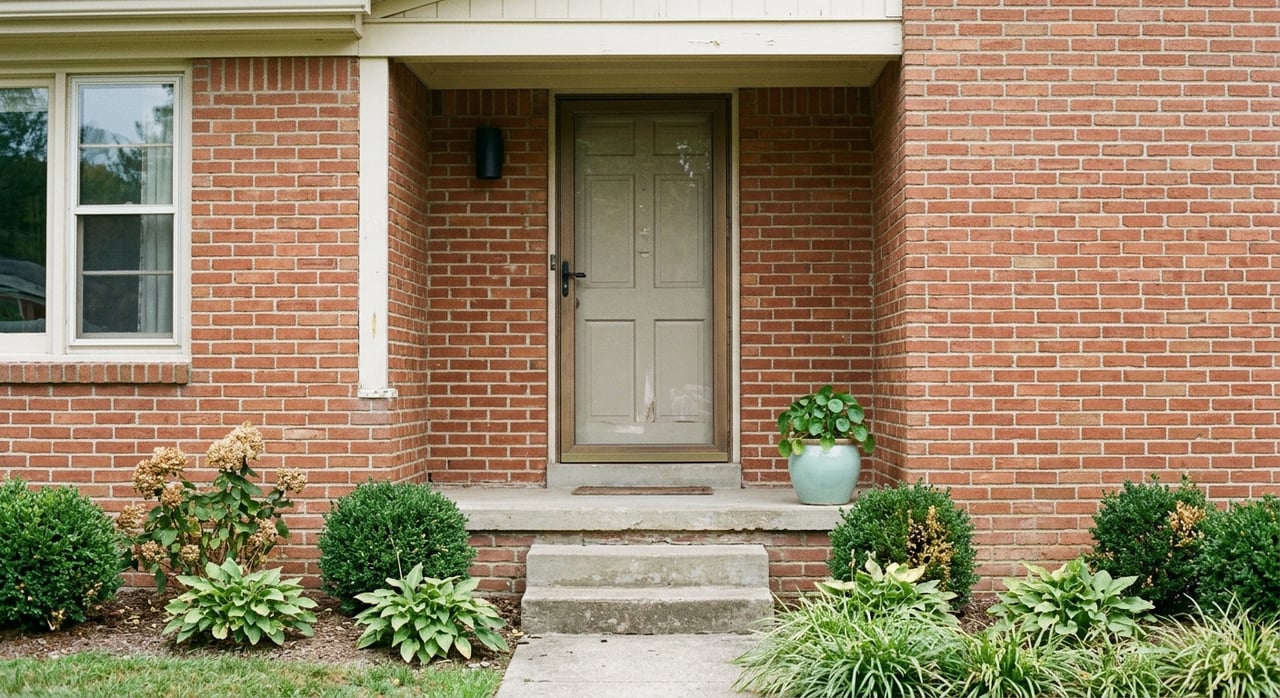
If you are looking for a Cincinnati single-family home with upside, the biggest wins usually do not come from finding a dramatic bargain. In this market, value-add deals are more often about spotting homes with dated finishes, awkward layouts, or deferred maintenance that other buyers overlook. If you know where to look, what to budget for, and which local rules matter, you can make smarter decisions with less guesswork. Let’s dive in.
Why Cincinnati Fits Value-Add Buyers
Cincinnati and Hamilton County offer a useful setup for buyers searching for single-family homes with room to improve value. Realtor.com shows Cincinnati with a median listing price of $299,000, a median sold price of $275,250, about 2.1K homes for sale, and a median of 36 days on market. Hamilton County shows a median listing price of $295,000, about 3,058 homes for sale, and a median of 33 days on market.
Those numbers matter because they point to a market with enough inventory to compare options instead of rushing into the first listing you see. Different sources measure pricing differently, but they all suggest a market in the mid-$200,000s. That gives you room to shop for condition, layout, and long-term potential, not just headline price.
Hamilton County’s housing stock also supports a value-add strategy. According to the county’s 2025 housing study, 36.6% of housing units were built before 1940, and the county median year built is 1957. Older homes often create opportunity because they may need updates that improve function, appearance, or both.
What a Value-Add Deal Looks Like
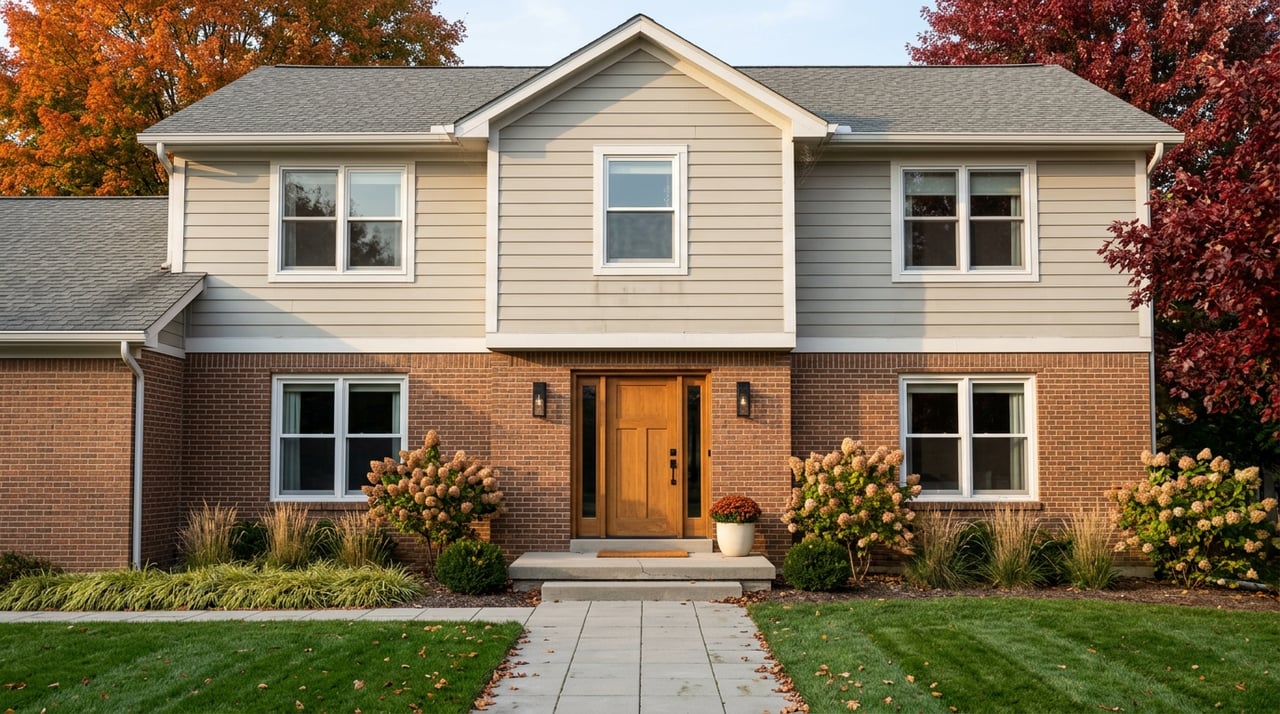
In Cincinnati, a value-add deal is often a home that is basically livable but not fully optimized. It may have an outdated kitchen, worn flooring, old fixtures, or a floor plan that could work better with smart changes. These are the kinds of improvements that can raise appeal without requiring a full gut renovation.
This is especially important in a market where sale-to-list ratios are close to 99% to 100%. That suggests most buyers should not expect huge discounts just from negotiating hard. Instead, the edge often comes from buying a property with presentation or functionality issues and improving it wisely.
Michelle McBride’s rehab and property management experience is especially useful here. When you walk through a home, it helps to have practical insight into which updates are cosmetic, which repairs may be more serious, and where your budget is most likely to make a difference.
Where Cincinnati Value-Add Deals Show Up
Some of the more affordable entry points in Cincinnati can create better value-add potential simply because your basis starts lower. Realtor.com reports median listing prices around $188,500 in East Price Hill, $195,000 in West Price Hill, $209,900 in Westwood, $215,000 in Bond Hill, and $250,000 in College Hill.
These numbers do not guarantee a deal, but they help frame the search. A cosmetic rehab budget can look very different when applied to a home bought near $190,000 versus one bought at a much higher price point. That is why neighborhood-by-neighborhood analysis matters.
Nearby pricing also shows how different the math can be across the region. Norwood sits around a $307,400 median listing price, while West Chester is around $445,000 and is described as a seller’s market. In practical terms, the same renovation plan may create more flexibility at a lower purchase price than it would in a higher-priced area.
What to Watch for in Older Homes
Because so much of Hamilton County’s housing stock is older, you should look beyond fresh paint and staging. Older homes can offer strong bones and great character, but they can also bring hidden costs. A smart value-add search means paying attention to systems, not just surfaces.
As you tour homes, keep an eye on a few common issues:
- Outdated electrical, plumbing, or HVAC systems
- Signs of water intrusion or drainage problems
- Older windows, roofing, or insulation performance
- Choppy floor plans that may limit function
- Deferred maintenance that could affect your true renovation budget
Not every older home is a problem property. In fact, many are strong candidates for targeted updates. The key is knowing whether the work is mainly cosmetic or whether it may involve larger repairs, permits, and added holding costs.
Permits Can Change Your Budget
One of the easiest ways to underestimate a value-add deal is to ignore local permit rules. In Cincinnati, permits are required for new buildings, additions, alterations, building repair, demolition, change of occupancy or use, excavation or fill, and floodplain development. Separate permits are also required for systems like HVAC, plumbing, and electrical work.
Some lighter updates may not require permits in 1-, 2-, and 3-family detached dwellings. The city says same-size window replacement, roof coverings, gutters and downspouts, and siding replacement generally do not require permits. That distinction matters when you are deciding whether a project is a light refresh or a more involved rehab.
If a property is designated historic, a Certificate of Appropriateness is required before work begins. The city also notes that required work done without a permit can lead to an investigation fee in addition to the regular permit fee. That is one more reason to verify scope early instead of making assumptions.
Rental Strategy vs Resale Strategy
Not every value-add property should be treated the same way. Some homes make more sense as a future resale, while others may work better as a long-term rental. Your plan should reflect both local price points and local rent levels.
Current rent data in Cincinnati and Hamilton County clusters in the low-to-mid $1,400s per month. Realtor.com shows $1,447 per month for Cincinnati, Zillow shows $1,473, and Hamilton County is listed at $1,485. Those numbers support buy-to-rent strategies, but they also suggest that your purchase price and rehab budget need to stay disciplined.
Neighborhood differences can shift your strategy even more. Westwood shows a median listing price of $209,900 with a median rent of $932 per month. West Price Hill is $195,000 with median rent of $1,000 per month, while East Price Hill is $188,500 with median rent of $1,425 per month. Those differences show why one area may fit a rental plan better while another may be more attractive for resale after improvements.
Hamilton County’s housing study also notes that single-family detached homes make up 36% of renter units. That supports the idea that a well-bought, well-renovated single-family home can still fit a rental strategy here when the numbers work.
Do Not Overlook Rental Compliance
If you are buying a Cincinnati home as a rental, your due diligence should include city registration and inspection requirements. The city requires all residential rental units to be registered, and the Residential Rental Registration fee is $1 per unit. Owners are also expected to keep contact information current, including when a property has been vacant for 60 days.
That city requirement is separate from Hamilton County Auditor records. In other words, county registration does not replace city registration. If you are underwriting a rental, this should be part of your checklist from the beginning.
Cincinnati also has an active Residential Rental Inspection Program in seven neighborhoods: Avondale, Clifton-Fairview-University Heights, College Hill, East Price Hill, Madisonville, West Price Hill, and Westwood. Initial inspections are $100 per unit, and re-inspections can add cost if violations remain. If you are considering a property in one of these neighborhoods, that is important to factor into your timeline and budget.
Flood Risk Should Be Checked Early
A home can look like a great value on paper and still carry extra long-term cost. In Hamilton County, Redfin using First Street data estimates that 15% of properties face severe flooding risk over the next 30 years. That is not a legal flood determination, but it is a useful signal to investigate early.
Flood exposure can affect insurance, carrying costs, resale confidence, and your comfort level with the deal. For a buyer focused on margins, that can make a real difference. It is much better to understand that risk before you commit than after you close.
A Smarter Way to Spot Opportunity
The best Cincinnati value-add deals are often not the most dramatic listings. They are the homes where the numbers, condition, and local rules line up in a way that gives you room to improve value with a clear plan. That usually means focusing on older single-family homes, lower-to-mid price points, and realistic renovation scope.
This is where local guidance matters. Michelle McBride brings hands-on rehab experience, practical pricing insight, and a trained eye for presentation, which can help you separate a smart opportunity from a money pit. If you want help evaluating Cincinnati-area single-family homes with value-add potential, connect with Michelle McBride.
FAQs
What is a value-add deal in Cincinnati single-family homes?
- A value-add deal is usually a home you can improve through cosmetic updates, layout changes, or targeted repairs so the property becomes more useful, appealing, or marketable.
Which Cincinnati neighborhoods may offer lower entry prices for value-add homes?
- Research cited here shows lower median listing prices in areas such as East Price Hill, West Price Hill, Westwood, Bond Hill, and College Hill, though each property still needs individual analysis.
Do Cincinnati value-add renovations require permits?
- Yes, many projects do. Cincinnati requires permits for work such as alterations, repairs, additions, demolition, and system updates like HVAC, plumbing, and electrical, while some lighter exterior replacements may not require permits.
What should rental buyers know about Cincinnati compliance rules?
- If you plan to rent out a residential property in Cincinnati, the unit must be registered with the city, and some neighborhoods are also part of the city’s rental inspection program with inspection fees.
Is Cincinnati a good market for buy-to-rent single-family homes?
- The local data supports that strategy in the right deal, especially since single-family detached homes make up 36% of renter units in Hamilton County, but rent levels still make disciplined pricing and rehab budgeting essential.
Why does flood risk matter when buying a Cincinnati value-add home?
- Flood risk can affect insurance costs, carrying expenses, and future resale confidence, so it is worth checking early when you are comparing properties in Hamilton County.