Wondering how to make your Marathon waterfront home stand out the moment buyers see it? In a market where the water, dock, and outdoor lifestyle matter as much as the interior, smart staging is about more than tidying up a few rooms. With the right prep, you can help buyers focus on the views, the access, and the coastal functionality that make your property special. Let’s dive in.
Why waterfront staging matters in Marathon
Marathon is a 10-mile-long, 13-island community in the middle of the Florida Keys with a strong boating and sailing identity. The city describes itself as a cruiser’s paradise, and marine activity plays a major role in the local economy. For buyers, that means your waterfront home is not just a house. It is also a lifestyle property.
When buyers tour a waterfront listing in Marathon, they are often looking at three things at once: the home itself, the view, and how easily they can enjoy the water. Clear sightlines, usable outdoor areas, and practical water access can shape how they feel about the property. Good staging helps all of those features read clearly.
Put the water at center stage
In many homes, the main focal point is a fireplace, kitchen island, or large living area. In a Marathon waterfront home, the water is often the real star. Your staging plan should make it easy for buyers to notice that right away.
Start by clearing window lines and reducing anything that competes with the view. Bulky furniture, crowded shelves, and heavy decor can make rooms feel smaller and distract from natural light. A simpler layout lets buyers take in the scale of the space and the connection to the outdoors.
Arrange seating to face the windows, canal, bay, or open-water view when possible. That subtle shift helps buyers picture morning coffee, sunset dinners, or a relaxed day coming off the boat. It also makes listing photos feel more intentional and inviting.
Simplify the interior
According to the National Association of Realtors 2025 Consumer Guide, staging helps buyers visualize a home as their future home, and 83% of buyers’ agents said it makes that process easier. More than a quarter of professionals also reported that staged listings saw a 1% to 10% increase in offered dollar value. That makes staging a practical step, not just a cosmetic one.
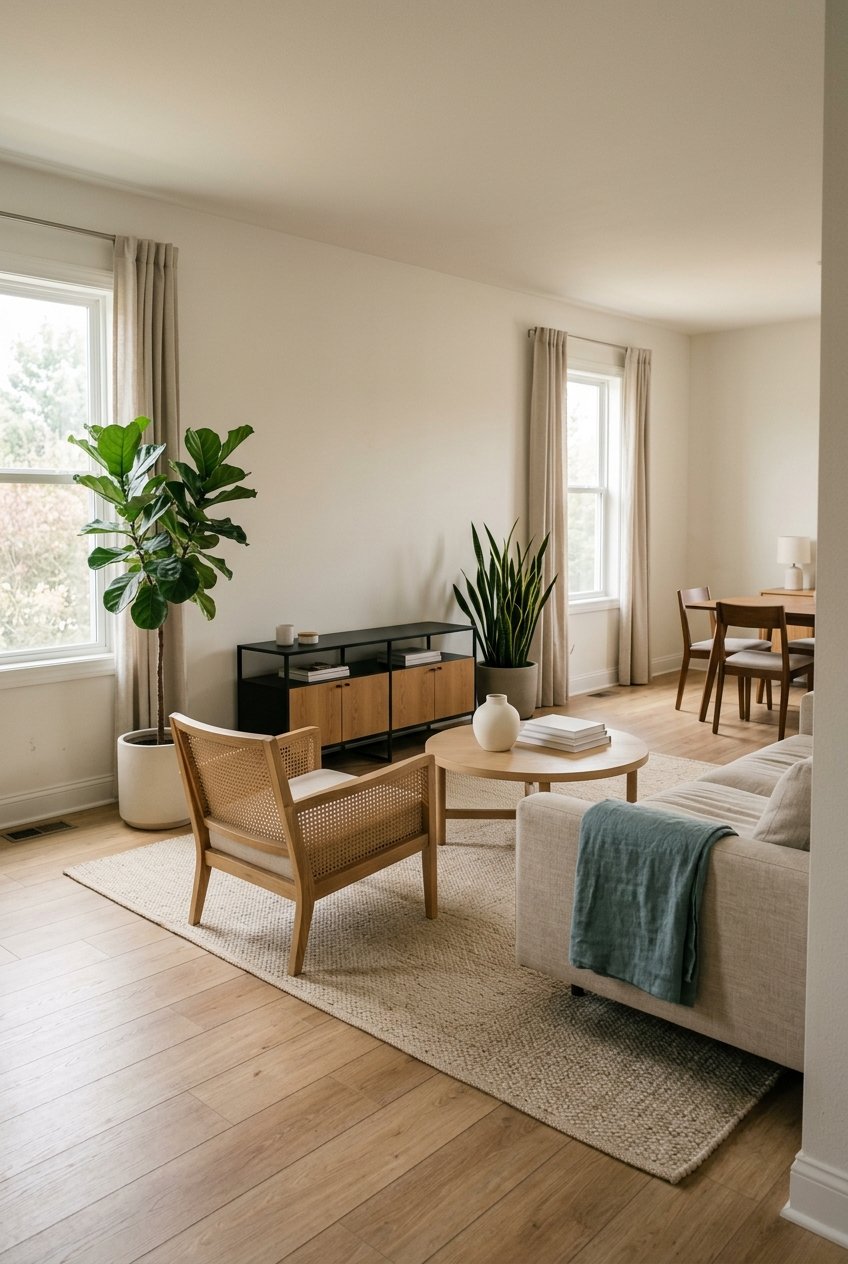
For your Marathon home, the goal is not to over-style every room. It is to remove visual noise so the best features stand out. Pack away personal items, refresh towels and bedding, and consider neutral paint where needed in tones like soft white, beige, or gray.
Closets should feel useful, not crammed. Keeping them about half full can make storage look more generous. Cleanliness also matters more than many sellers expect, especially in coastal homes where salt air and outdoor living can leave subtle wear behind.
Rooms to prioritize first
Some spaces tend to do the heaviest lifting in a waterfront showing. Focus your time and budget on the rooms where buyers are most likely to pause and imagine daily life.
- Living room: keep furniture scaled to the room and oriented toward light and views
- Kitchen: clear counters and remove small appliances so the space feels open and functional
- Primary suite: create a calm, uncluttered retreat with simple bedding and limited decor
- Dining area: keep the table clean and easy to picture for casual meals or entertaining
Keep coastal decor restrained
A waterfront home does not need heavy beach-themed staging to communicate where it is. In fact, too many shells, signs, anchors, or bright themed accents can make the property feel more personalized and less polished. Buyers usually respond better to a clean, neutral presentation that feels ready for their own style.
Think in terms of texture and light instead of theme. Natural fibers, soft linens, light woods, and a restrained palette can support the setting without competing with it. This approach also fits Michelle McBride’s practical, market-ready staging philosophy.
Treat outdoor areas like living space
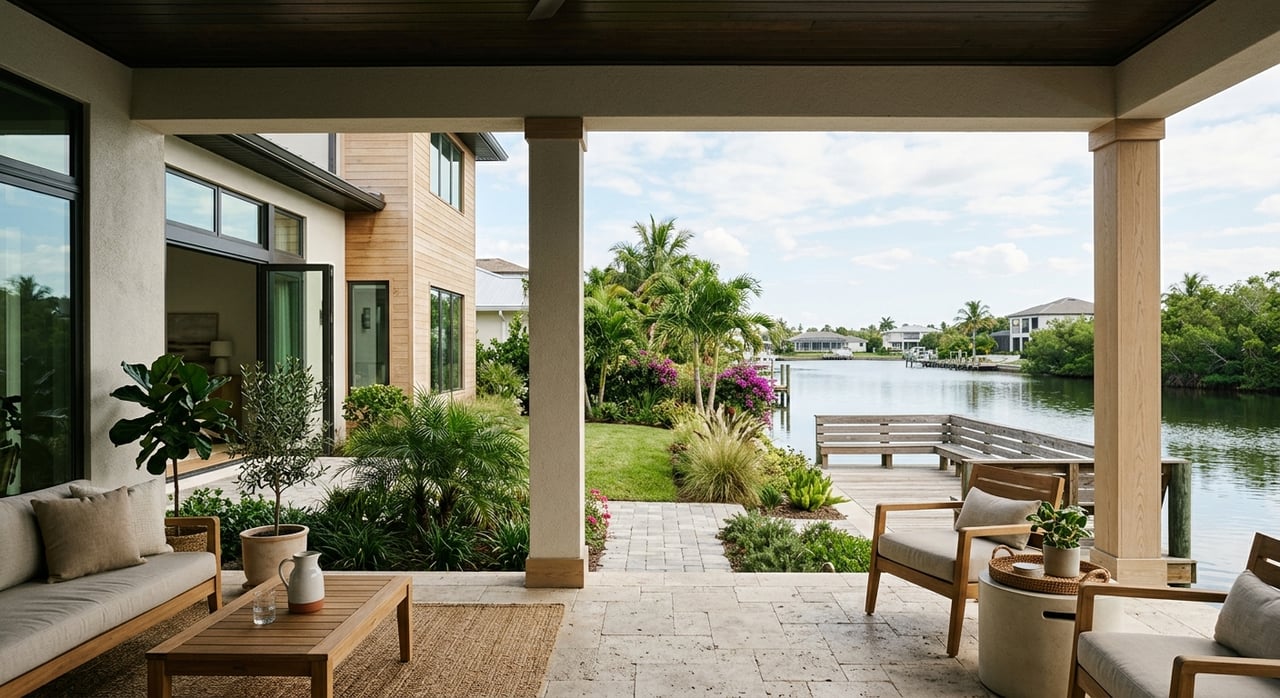
In Marathon, outdoor living is central to how many buyers evaluate a home. Beaches, boating, fishing, paddling, diving, and water sports are a visible part of the local lifestyle. Your patio, lanai, pool area, dock, seawall, and boat lift should be staged with the same care as the living room.
If an outdoor area looks neglected or purely utilitarian, buyers may assume more maintenance is needed. If it looks clean, usable, and inviting, they can more easily picture themselves enjoying it. That emotional connection can be powerful.
What to showcase outside
Focus on spaces and features that help buyers understand how the property functions day to day.
- Clean and uncluttered dock area
- Boat lift presented as maintained and easy to access
- Patio or lanai with simple seating
- Pool deck arranged for relaxation, not storage
- Kayak or paddleboard storage areas kept neat
- Clear path from house to yard to dock
That last point matters more than many sellers realize. In Marathon, the sequence from the home to the water is part of the story. Buyers want to understand how naturally the property supports boating, paddling, or simply being outside.
Be clear about water access
Not all waterfront properties function the same way, and buyers in the Keys tend to pay attention to the details. Nearshore waters can be shallow, and some areas are better suited for kayaks, canoes, or paddleboards than larger boats. That is one reason staging and marketing should help buyers see what the property actually offers.
If your home is canal-front, make sure the access points are clean and easy to see. If the property is better suited to paddling than larger vessel use, your presentation should still highlight that benefit in a clear, positive way. Honest, practical presentation builds trust and helps attract the right buyer.
Time photos around local conditions
Waterfront photography is different from standard listing photography. In Marathon, weather and tides can change quickly, and that can affect how your dock, seawall, canal, and shoreline appear in photos. Planning around local conditions can make a noticeable difference.
NOAA advises checking weather and tides in the Keys and notes that the greatest tide range happens around full and new moons. As a practical takeaway, many waterfront sellers benefit from scheduling exterior photos when the tide makes the water access look more usable rather than catching the property at its lowest-water moment.
Nearby local tide references for the Marathon area include Vaca Key, Florida Bay and Pigeon Key Atlantic Side. Using local tide timing instead of a generic forecast can help you choose the strongest window for photography. That is especially useful when dock depth, canal appearance, or shoreline visibility are important selling points.
Prepare for weather backups
Atlantic hurricane season runs from June 1 through November 30, and summer weather in the Keys can shift fast. Waterspouts are also a known summer sight in the region. For listing prep, that means it is smart to build in backup dates for photos and showings.
Before photography or a showing, secure outdoor furniture, remove loose items, and make sure the property looks orderly and storm-aware. Buyers do not need alarm. They do appreciate a home that looks cared for and responsibly maintained in a coastal environment.
Address flood and storm readiness calmly
In Marathon, flood and storm readiness are part of normal buyer due diligence. The City of Marathon states that the entire community is within the Special Flood Hazard Area, and homeowner insurance does not cover flood damage. The city also notes that flood insurance is required and that NFIP policies have a 30-day waiting period.
That does not mean your listing should feel heavy or overly technical. It does mean buyers will notice whether the home appears prepared and whether the presentation feels realistic. A clean exterior, orderly utility areas, and a well-maintained waterfront setup can support that impression.
Monroe County evacuation information places Marathon in Zone 3, so buyers may also ask practical questions about flood zones and evacuation planning. You do not need to turn staging into a safety seminar. You do want the home to feel ready for the realities of coastal ownership.
Use virtual staging carefully
Virtual staging can help buyers understand how an empty room might live, especially in a second-home or waterfront listing. But it should be used carefully. If photos are materially altered, that should be disclosed so buyers get a truthful picture of the property.
The best use of virtual staging is to clarify layout and scale, not to hide condition or overpromise features. In a Marathon waterfront home, authenticity matters. Buyers are often making decisions based on both emotion and function, so clear presentation is key.
A practical staging checklist for sellers
If you want a simple starting point, use this shortlist before photos and showings.
- Remove personal items and excess decor
- Open up window views and natural light
- Reposition furniture toward the water
- Refresh bedding, towels, and neutral soft goods
- Thin out closets and storage areas
- Deep clean interior surfaces and glass
- Clean and stage patios, lanais, and pool areas
- Clear the path from interior living space to dock
- Tidy boat, paddle, or gear storage
- Check weather and tide timing before exterior photos
- Secure outdoor items during storm season
Why a local staging strategy helps
A waterfront home in Marathon should not be marketed like a standard inland property. Buyers here are often weighing boating access, outdoor usability, tide conditions, and storm readiness alongside layout and finishes. The strongest results usually come from a strategy that understands how those local details affect buyer perception.
That is where practical staging guidance matters. When your home is prepared around the way buyers actually shop in Marathon, the property feels easier to understand, easier to imagine enjoying, and easier to remember after the showing.
If you are getting ready to sell a waterfront home in Marathon, working with a hands-on agent with staging insight can help you focus on the updates and presentation choices that matter most. To talk through a practical plan for your home, connect with Michelle McBride.
FAQs
How should you stage a waterfront home in Marathon differently?
- Focus more on view corridors, outdoor living areas, dock usability, and the path from the house to the water than you would in a non-waterfront home.
When should you take photos of a Marathon waterfront home?
- Exterior photos often look stronger when weather and tide conditions make the dock, seawall, and water access appear more usable, so local tide timing can help.
What rooms matter most when staging a Marathon waterfront listing?
- The living room, kitchen, dining area, and primary suite usually matter most because they shape how buyers experience light, space, and water views.
Should you mention flood readiness when selling a Marathon home?
- Yes, briefly and calmly, because Marathon is entirely within the Special Flood Hazard Area and buyers often expect clear information about flood and storm preparedness.
What outdoor features should you highlight in a Marathon waterfront listing?
- Prioritize the dock, boat lift, seawall, patio, lanai, pool area, and any organized storage for kayaks or paddleboards.
Can you use virtual staging for a Marathon waterfront home?
- Yes, but if images are materially altered, that should be disclosed so buyers have a clear and accurate understanding of the property.