If your Miamisburg home looks like real life happens there, you are not alone. Most sellers are living in their homes right up until listing day, which can make the process feel overwhelming. The good news is that getting market-ready usually does not mean a full remodel. It means making your home feel cleaner, brighter, and easier for buyers to picture as their own. Let’s dive in.
Why prep matters in Miamisburg
Miamisburg has a strongly owner-occupied housing market. According to the U.S. Census Bureau, the city’s 2025 population estimate is 20,414, the owner-occupied housing rate is 72.9%, and the median owner-occupied home value is $231,300. In a market like this, presentation matters because many buyers are comparing lived-in homes, not brand-new construction.
That is why simple preparation can go a long way. National Association of REALTORS® staging research found that staging helps buyers visualize a property as a future home and can reduce time on market. If your home is well cared for but busy with everyday life, small changes can have a big impact.
Start with what buyers notice first
Buyers often make quick judgments within minutes of arriving. Before they think about square footage or updates, they notice whether the home feels crowded, unfinished, too personal, or poorly maintained. That first impression starts online and continues the moment they pull up to the curb.
NAR identifies some of the most common showing turnoffs in lived-in homes. These include cluttered closets, busy bathroom counters, overstuffed storage areas, personal photos, pet items, lingering odors, poor lighting, visible dirt, and exterior neglect. The practical goal is to create visual breathing room so buyers can focus on the home itself.
Clear the visual clutter
You do not need to empty the house. You just need to edit it.
Focus on removing or reducing:
- Extra items on kitchen and bathroom countertops
- Overflow from closets and storage spaces
- Most personal photos and highly specific decor
- Pet beds, bowls, litter items, and excess pet accessories
- Seasonal or rarely used furniture that makes rooms feel tight
When buyers see less visual noise, rooms feel larger and easier to understand. That can help them picture how they would actually use the space.
Deep cleaning matters more than you think
A clean home does more than look nice. It signals care.
NAR notes that visible dirt and lingering odors can make or break a showing. Buyers are especially sensitive to homes that smell covered up instead of truly clean. That means it is worth taking the time to clean floors, baseboards, windows, kitchens, bathrooms, and soft surfaces thoroughly before photos and showings begin.
Improve lighting room by room
Dim rooms can feel smaller and less inviting. Poor lighting is one of the showing issues NAR flags because it makes it harder for buyers to appreciate the home.
Open blinds, replace burnt-out bulbs, and use consistent warm lighting where possible. Even simple changes can make a lived-in home feel fresher and more open.
Curb appeal still shapes first impressions
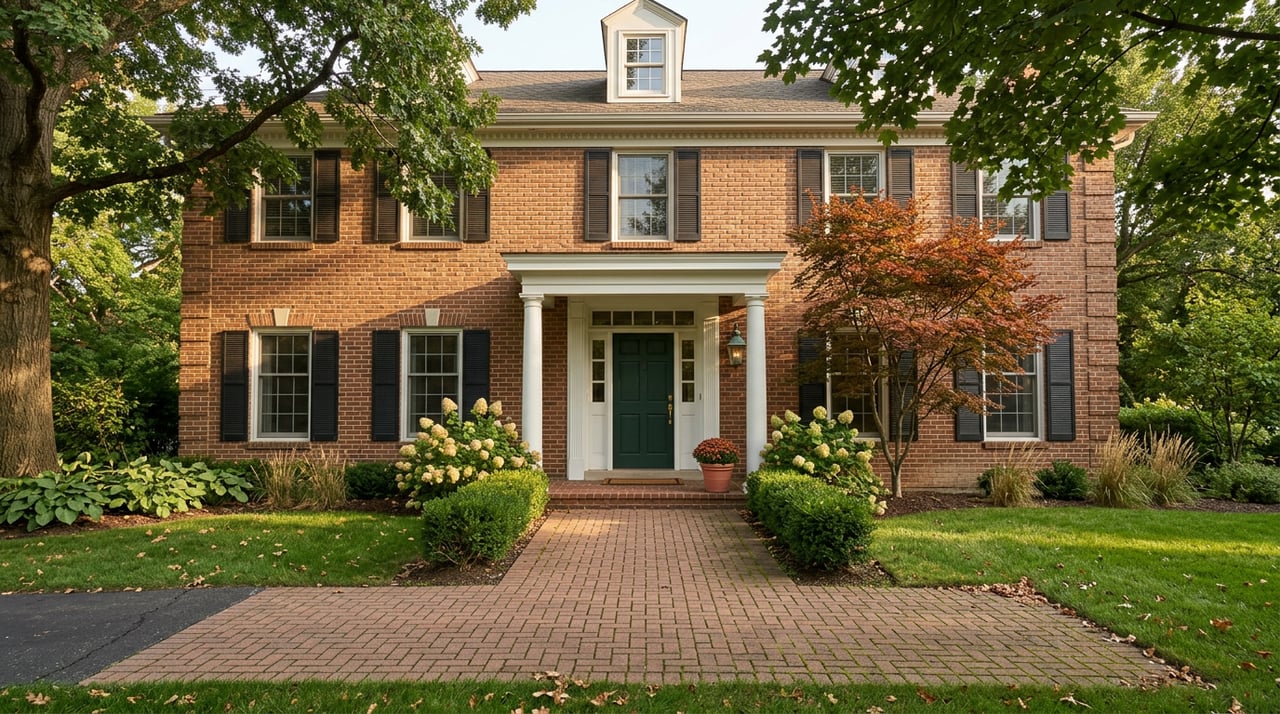
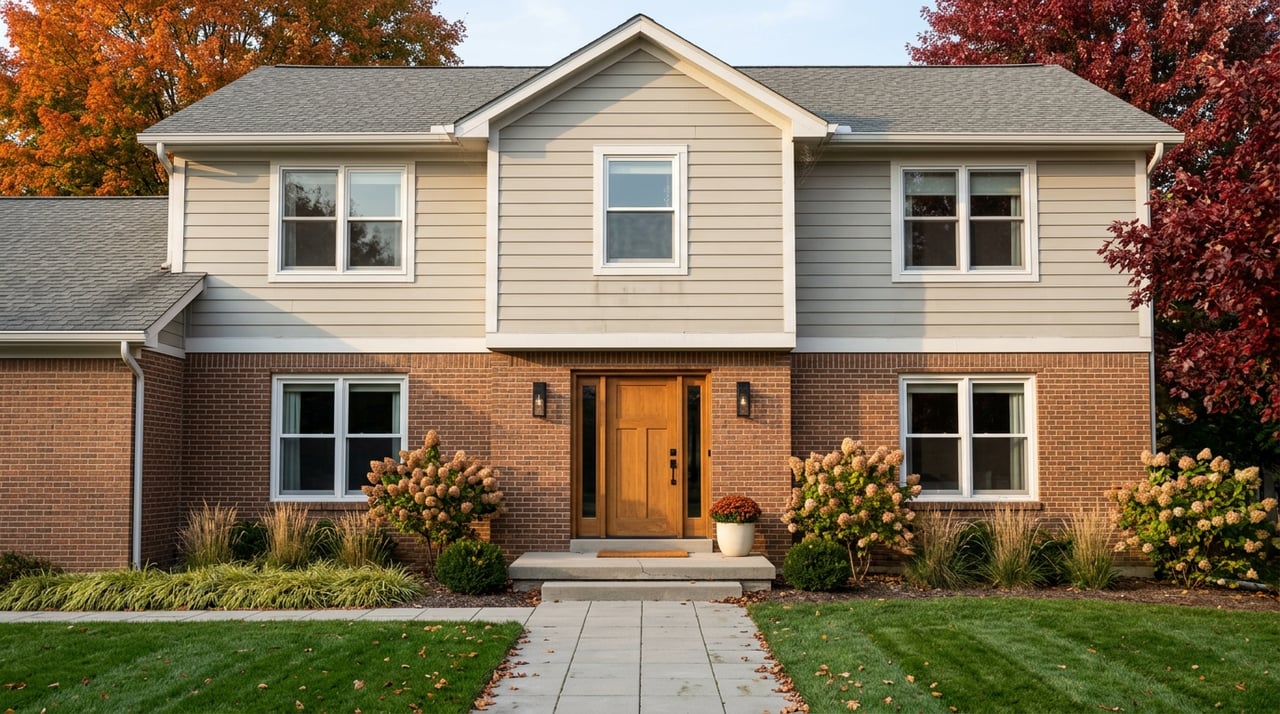
Your exterior sets the tone before a buyer ever walks inside. NAR notes that neglected yards and exterior areas can cause buyers to lose interest quickly, whether they first see the home online or in person.
The good news is that curb appeal improvements do not have to be expensive. In many cases, basic maintenance does the job.
Focus on simple outdoor fixes
Before listing, prioritize:
- Mowing and edging the lawn
- Trimming overgrown shrubs or branches
- Sweeping porches, walks, and driveways
- Removing dead plants or yard clutter
- Adding simple potted plants or flowers near the entry
These small details help your home feel cared for. That can improve both photo appeal and in-person reactions.
Fix the repairs buyers read as neglect
Minor issues often matter because they raise bigger questions. When buyers see small signs of deferred maintenance, they may wonder what else has been overlooked.
NAR specifically points to issues like chipping paint, loose gutters, foggy windows, leaky fixtures, wood rot, dirty air filters, and worn carpet as details that can hurt buyer confidence. These may seem minor when you live with them every day, but they can stand out during showings.
Prioritize repairs that protect confidence
If you are deciding where to spend time and money, start with items that suggest upkeep has slipped. Good examples include:
- Touching up chipped or peeling paint
- Fixing dripping faucets or running toilets
- Replacing dirty HVAC filters
- Repairing loose hardware or wobbly cabinet doors
- Addressing stained or heavily worn flooring where practical
- Cleaning or repairing gutters if they are visibly loose or clogged
These fixes help your home feel maintained, even if you are not doing a major update.
Skip sloppy DIY shortcuts
Not all repair work helps. NAR warns that uneven tile, mismatched paint, poor caulk lines, and other visibly rushed DIY work can create red flags instead of reassurance.
If a project is beyond a quick cosmetic touch-up, it may be better to have it done properly or leave it alone until you have a clear plan. Buyers tend to notice workmanship, not just the fact that a repair was attempted.
Be careful with older-home projects
If your home was built before 1978, lead-safe caution matters. The EPA says deteriorating lead-based paint can be a hazard, and known lead-based paint or hazards must be disclosed in most pre-1978 home sales.
The EPA also warns that renovation, repair, and painting in pre-1978 homes can create hazardous lead dust. If you are planning prep work on an older home, this is an important reason to think carefully before sanding, scraping, or opening walls.
Check permits for larger work
If your pre-listing to-do list goes beyond cosmetic updates, confirm whether permits may be needed. Miamisburg’s Building Department is certified by the Ohio Board of Building Standards to regulate residential structures and related systems, including electrical, fuel gas piping, and HVAC work.
That means larger projects should not be treated casually just because you are trying to get ready for market. If work affects systems or structure, checking local requirements early can help you avoid last-minute problems.
Consider a radon test as an optional step
A pre-listing radon check can be a sensible optional move, especially if your home has a basement or has had major renovations or HVAC changes. The EPA recommends testing all homes and advises fixing homes at 4 pCi/L or higher.
The EPA also notes that radon levels are often highest in the lowest part of a home. While not every seller chooses to test before listing, having current information may help you prepare for buyer questions.
Get your Ohio paperwork organized early
In Ohio, the residential property disclosure form is required for most transfers of residential real property. Ohio law says the form covers known material matters related to items such as water supply, sewer or sewage treatment systems, roof, foundation, walls, floors, and hazardous materials including lead-based paint, asbestos, and radon.
The form is not a warranty, and it does not replace inspections. Still, it is much easier to complete accurately when you gather your records before the listing process gets busy.
Pull together the records you already have
A simple seller file can make the process smoother. Consider gathering:
- Repair and maintenance receipts
- Appliance ages or manuals
- Warranty information
- Prior inspection reports
- Utility or system service records
- Notes about known past or current issues
This kind of preparation can make disclosure questions easier to answer and reduce stress once showings begin.
Know about Ohio’s anti-discrimination disclosure
Ohio added a newer pre-listing requirement that sellers should know about. Under Section 4735.80, effective April 3, 2025, a licensee must provide the seller with a disclosure about applicable federal and state anti-discrimination laws and penalties before the property can be marketed or shown. The seller must sign and date it, and the signed copy must be retained.
This is one more reason to start the listing conversation early rather than waiting until you think the house looks perfect. The prep process is not only about the home itself. It is also about having the right paperwork lined up from the start.
Stage the rooms that matter most
If you are short on time or budget, do not try to perfect every inch of the house. NAR’s 2025 staging report found that the rooms staged most often were the living room, primary bedroom, dining room, and kitchen.
That gives sellers a smart roadmap. Start where buyers tend to focus most and where photos do the most work online.
Keep staging simple and strategic
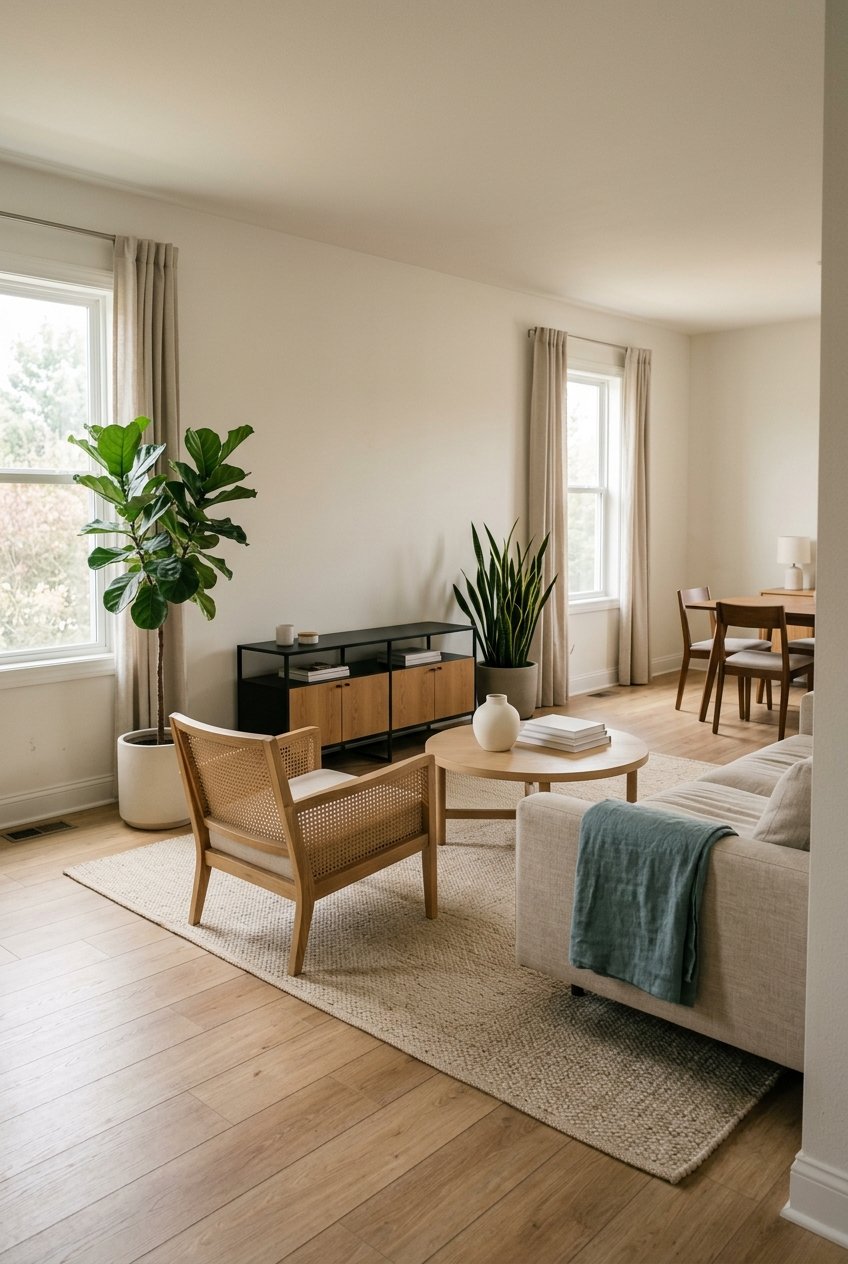
The goal is not to make your home feel empty. The goal is to make it easy to read.
NAR found that 83% of buyers’ agents said staging makes it easier for buyers to visualize a property as a future home. The same report found that 49% of sellers’ agents saw reduced time on market, and 29% reported a 1% to 10% increase in dollar value offered.
In practical terms, simple staging often means:
- Creating clear walking paths
- Using fewer, better-scaled pieces of furniture
- Keeping bedding and towels clean and neutral-looking
- Styling kitchen counters lightly instead of filling them
- Removing anything that distracts from the room’s size or purpose
For a lived-in Miamisburg home, that kind of clarity is often more valuable than an expensive makeover.
A smart seller prep plan
If you want a simple way to tackle the process, follow this order:
- Declutter and edit belongings
- Deep clean the entire home
- Handle minor repairs that suggest deferred maintenance
- Review whether any larger work needs permit checks
- Gather paperwork for disclosures
- Stage the main living spaces for photos and showings
This approach fits the reality of many owner-occupied homes in Miamisburg. It helps you focus on the updates most likely to improve presentation, reduce buyer hesitation, and support a smoother listing process.
Selling a lived-in home does not require perfection. It requires smart preparation, honest attention to detail, and a plan that helps buyers see the home clearly. If you want practical guidance on what to fix, what to skip, and how to present your home for the strongest first impression, Michelle McBride can help you create a market-ready strategy that fits your timeline.
FAQs
What should sellers declutter before listing a lived-in Miamisburg home?
- Start with countertops, closets, bathrooms, personal photos, pet items, and extra furniture or storage overflow that makes spaces feel crowded.
What minor repairs matter most before listing a home in Miamisburg?
- Prioritize issues that suggest deferred maintenance, such as chipped paint, loose gutters, leaky fixtures, dirty air filters, foggy windows, worn flooring, or loose hardware.
What disclosures are required when selling a home in Ohio?
- Ohio requires a residential property disclosure form for most residential transfers, covering known material matters such as water, sewer, roof, foundation, walls, floors, and certain hazardous materials.
What should sellers know about older homes before doing pre-listing repairs in Ohio?
- If the home was built before 1978, deteriorating lead-based paint can be a hazard, and repair or renovation work can create lead dust, so older-home projects should be handled carefully.
Which rooms should sellers stage first before listing a Miamisburg home?
- Focus first on the living room, primary bedroom, dining room, and kitchen, since these are the rooms most often staged and most likely to shape buyer impressions.