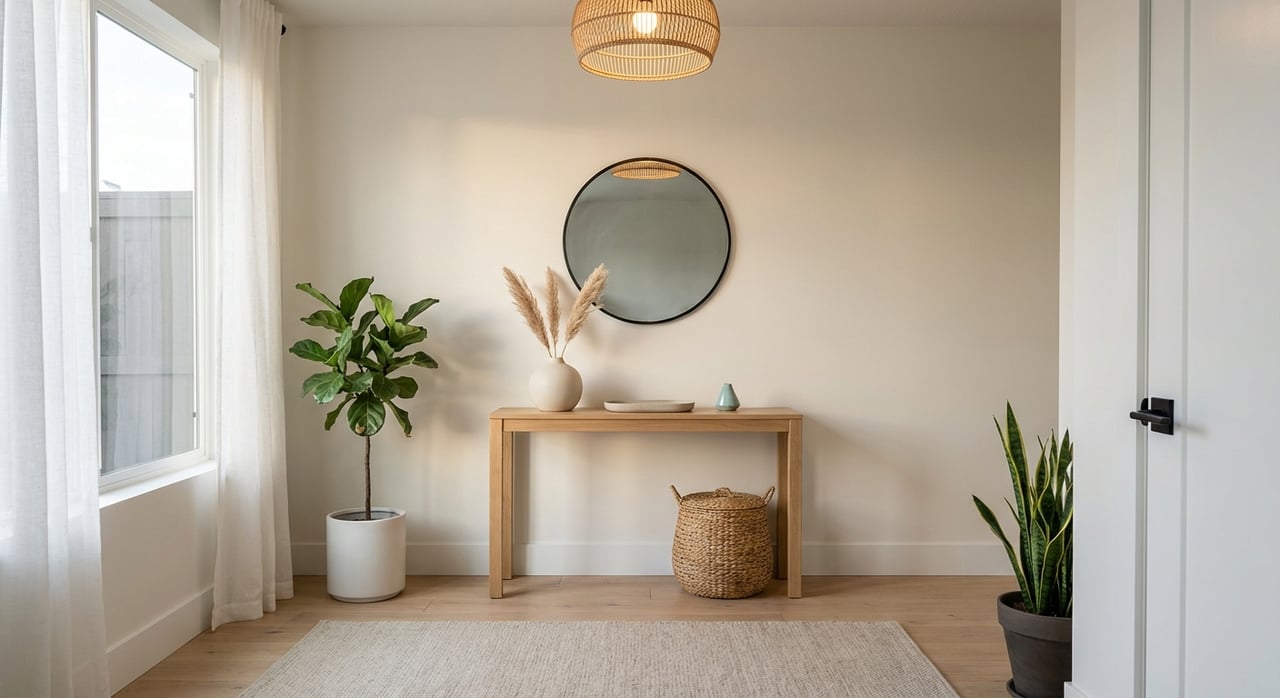
Thinking about selling your West Chester home but not sure where to start? The good news is you do not need a full remodel to make a strong first impression. Smart staging and simple fixes can help you sell faster and sometimes for more, especially when your photos shine online. In this guide, you will learn which upgrades matter most in West Chester, how to prioritize a tight budget and timeline, and where a staging‑certified agent can save you time and stress. Let’s dive in.
Why small fixes work in West Chester
West Chester Township in Butler County attracts a wide range of buyers who value move‑in readiness, practical layouts, and nearby amenities like Union Centre and Voice of America MetroPark. That means clean, functional kitchens, comfortable and well‑lit living spaces, and tidy outdoor areas often carry more weight than luxury overhauls. Neighborhoods can vary by age and style, so it pays to match updates to local comparables rather than over‑improve.
Staging delivers measurable benefits. In the National Association of REALTORS® 2025 staging report, about 29% of agents said staged listings produced a 1% to 10% increase in offers, and roughly 49% of sellers’ agents reported shorter time on market. The median professional staging cost was about $1,500. Those numbers make a strong case for smart preparation that shows well in person and online. You can review the findings in the latest NAR staging report.
West Chester is a largely suburban market with above‑average household incomes and a higher median owner housing value than Butler County overall. That context helps guide your prep: present a clean, cohesive home that feels ready for everyday life. See a neutral snapshot of the area in Census Reporter’s West Chester profile.
High‑impact prep before photos
Online impressions drive showings. NAR’s buyer research has consistently found that listing photos are the most useful website feature to buyers. Staging before the photo shoot multiplies that impact. You can see this priority reflected in the NAR Profile of Home Buyers and Sellers.
Declutter and depersonalize
Pack away personal photos, excess decor, and bulky items that crowd rooms. Aim for clear surfaces and open walkways so buyers can read the size and function of each space. If needed, use short‑term storage. This simple reset is one of the most common, highest‑impact steps sellers take.
Deep clean and fix the obvious
Schedule a professional deep clean and handle small repairs you already notice. Tighten a loose railing, replace burned‑out bulbs, fix dripping faucets, and patch minor wall dings. These quick wins lift buyer confidence and keep inspection concerns from overshadowing first impressions. NAR highlights cleaning and decluttering among the top pre‑listing tasks in its staging research.
Light, bright, photo‑ready
Swap in warm LED bulbs (about 2700–3000K) for consistent color. Add a lamp to dim corners, and clean windows to maximize natural light. For photos, shoot in late morning or early afternoon and turn on interior lights to even out exposures. These small moves pay off in every image. For more photography pointers, see these real estate photography tips.
Paint and color that sell
Fresh paint is one of the best dollar‑for‑dollar updates. Choose warm, neutral tones like soft off‑white or greige to make rooms feel larger and more flexible. Whole‑room or whole‑home painting can be relatively affordable compared to other projects, and it photographs beautifully. NAR’s Remodeling research underscores the strong cost‑to‑impact profile of cosmetic refreshes like paint. Explore the broader data on NAR’s Remodeling page.
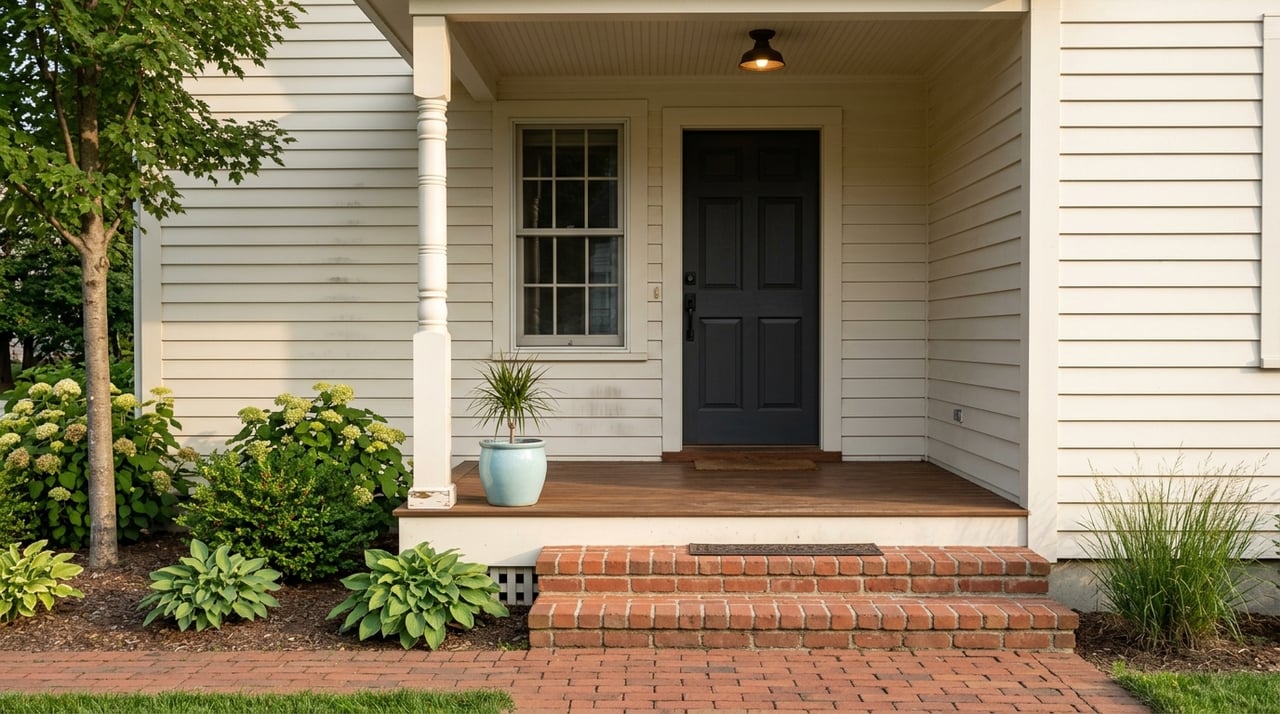
Do not overlook the front door. A simple repaint in a thoughtful color with updated hardware can lift curb appeal fast. A Zillow‑commissioned color study reported by PR Newswire associated slate blue or black front doors with higher buyer willingness to pay in their analysis. While every home is different, a crisp, well‑chosen door color is a proven, low‑disruption upgrade. Read the summary of the front‑door color study.
Floors, kitchens, and baths without the overhaul
You do not need to replace everything to make a space feel fresh.
- Floors: Deep‑clean carpets and consider steam cleaning in high‑visibility rooms. If carpets are dated or stained, targeted replacement in key areas can elevate the look. If you have hardwood, a professional refinish or screen‑and‑coat can create a cohesive, high‑value appearance at a fraction of full replacement.
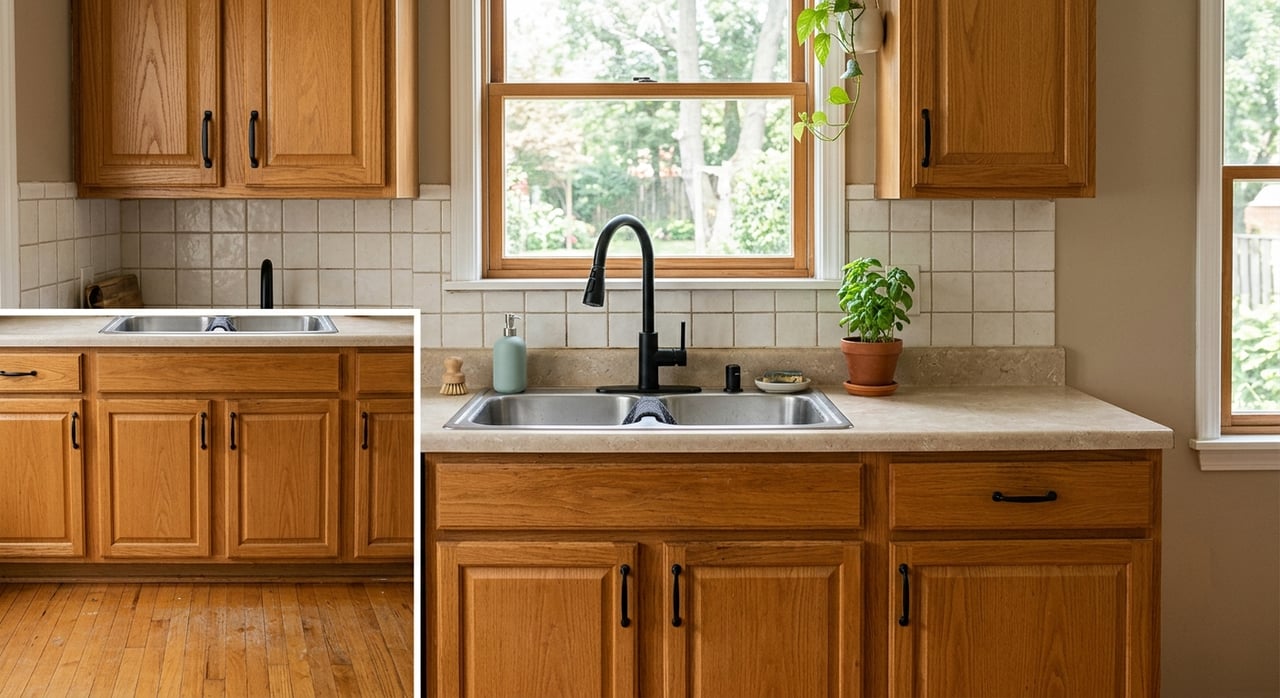
- Kitchen: Minor refreshes go far. Clean or regrout tile, paint dated cabinets if the boxes are sound, swap hardware, and consider an updated light fixture. A modest backsplash or simple countertop upgrade in a small area can be enough if it aligns with neighborhood comps.
- Baths: Regrout tile, replace worn mirrors, modernize light fixtures, and update faucets or vanity hardware. These punch‑list items tighten up the look and photograph well.
NAR’s remodeling insights show these targeted, midrange updates often deliver better cost recoup than large luxury projects. See the trends on NAR’s Remodeling page.
Curb appeal buyers notice first
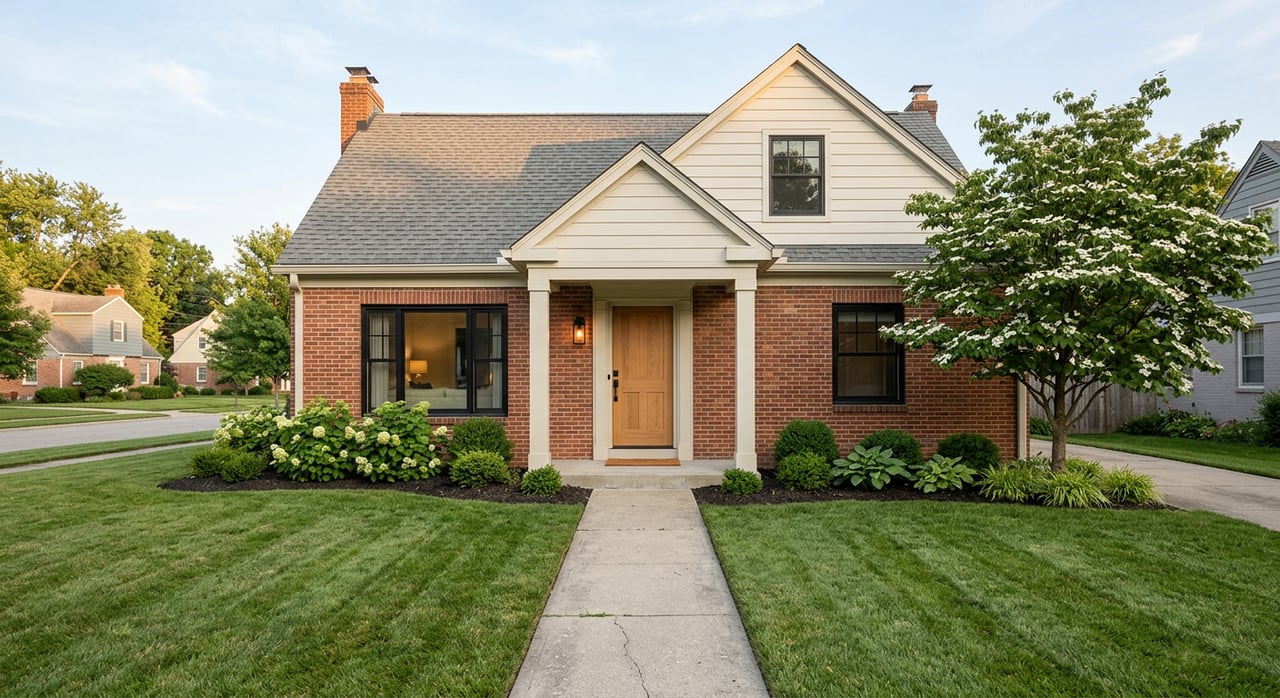
First impressions start at the street. Power wash the driveway and walkways, edge the lawn, add fresh mulch, and touch up peeling trim. Replace tired house numbers and porch lights so the entry reads clean and welcoming. Basic pressure washing is typically a low‑hundreds expense for driveways and varies by home size for full exteriors. For a quick cost overview, check this summary of pressure washing cost factors.
Budget tiers that fit your timeline
Every dollar should support better photos and a smoother showing. Here is a simple way to prioritize, with ballpark ranges to help you plan. Actual costs vary, so get local quotes.
Under about $500: Declutter and deep clean. Replace bulbs with warm LEDs. Touch up paint in high‑impact rooms. Tidy the front entry with a sweep and a fresh planter. These moves often fit into a weekend. For more online presentation ideas, scan these tips for staging photos.
About $500 to $2,500: Professional cleaning, a short‑term storage unit for bulky items, a front‑door repaint or new hardware, updated entry and kitchen light fixtures, carpet steam cleaning or selective replacement, and a staging consultation or partial staging. NAR reports the median professional staging service cost at about $1,500 in its 2025 staging report.
$2,500 and up: Whole‑room painting, hardwood refinishing or larger flooring updates in main living spaces, and minor kitchen refreshes. For vacant properties, consider full‑home staging. Choose projects that align with nearby comparables to avoid over‑spending. NAR’s Remodeling research can help you think through ROI patterns.
A simple 2‑week prep plan
Working backward from your photo day keeps everything on track.
- Days 14–10: Review local comparables and set a staging plan. Order materials and schedule vendors. A staging‑trained agent should coordinate this step.
- Days 10–7: Declutter and move extras to storage. Complete small repairs and deep clean. Book your photographer for Days 3–2. NAR highlights how staging and clean presentation shorten time on market in its 2025 report.
- Days 7–4: Knock out paint touchups or a room refresh. If floors need attention, complete cleaning or refinishing now. Install staging elements so they are ready for photos. For ballpark paint pricing variables, see this interior painting cost overview.
- Days 3–1: Photography day. Capture daytime interiors and consider a twilight exterior for curb appeal. Finalize listing copy and floor plans. For photo‑prep reminders, skim these online curb‑appeal photo tips.
Professional photos and staging options
Use a real estate photographer who knows how to balance natural light with interior lighting. If the home is vacant, you can choose physical staging, virtual staging, or a hybrid approach. In many cases, physical staging that aligns with the photographer’s plan produces the strongest response. NAR’s staging research reinforces the value of staging paired with compelling photos. See the NAR staging findings and consider vetted help through organizations like the Real Estate Staging Association.
How Michelle helps West Chester sellers
Michelle McBride blends staging certification with nearly two decades of renovation and property‑management experience. That combination helps you focus on what matters most for West Chester buyers, while avoiding projects that will not pay off locally.
- Expert triage: Michelle identifies the right rooms to stage first, typically the living room, kitchen, and primary bedroom. She also flags quick repairs that buyer pools notice most, so you do not overspend on low‑ROI items. NAR’s staging report points to these rooms as top priorities.
- Vendor network and scheduling: Michelle coordinates trusted stagers, furniture rentals, cleaners, and photographers. That saves you time and keeps the in‑person experience consistent with the photos. If you want to explore industry resources, the RESA directory is a helpful benchmark.
- Packaging and cost options: From a simple staging consult to partial or full staging, Michelle tailors the plan to your goals and timeline. NAR notes the median professional staging cost is about $1,500, and Michelle can help you decide how to invest that budget for the best impact.
- Marketing alignment: Staging, photos, and listing copy work together to reach West Chester and Cincinnati‑Dayton suburban buyers. NAR’s buyer research confirms that compelling photos drive attention and showings. See highlights in the NAR buyer and seller profile.
Ready to prep your home with confidence? Get tailored guidance, local vendor referrals, and a photo‑first plan that fits your budget. Connect with Michelle McBride to start your market‑ready checklist and Get Your Home Value.
FAQs
What should I stage first for a West Chester sale?
- Start with the living room, kitchen, and primary bedroom, since NAR research identifies these as top‑impact spaces and they dominate listing photos and buyer impressions.
How much does professional home staging typically cost?
- NAR’s 2025 report cites a median cost around $1,500 for professional staging, but actual fees vary by home size, scope, and whether the property is occupied or vacant.
Which paint colors help homes sell faster?
- Warm, neutral tones like soft off‑whites and greige tend to appeal to the widest buyer pool and photograph well, supporting the cosmetic‑update ROI patterns NAR highlights.
Do I need to replace old carpet before listing?
- If carpet is stained or dated in key rooms, targeted replacement can lift the whole home, but if it is sound, a professional steam clean may be enough to look fresh in photos and showings.
When should I start prepping before listing photos?
- Aim to begin about two weeks ahead: plan and schedule vendors, then declutter, clean, complete small repairs, paint touchups, and finish staging a few days before the photo shoot.