Wondering if buying a fixer-upper in Miamisburg is a smart move or a money pit waiting to happen? If you are hoping to get more house for your budget, build equity, or take on a value-add project, it is a fair question. The good news is that fixer-uppers can work here, but only when you go in with a clear plan, realistic numbers, and a solid understanding of repairs, financing, and local permits. Let’s dive in.
Miamisburg fixer-upper basics
Miamisburg has an older housing mix than some newer suburban areas, which helps explain why fixer-upper opportunities show up from time to time. The city notes its roots go back to 1818, and older homes remain part of the local housing landscape, especially with historic buildings and preserved structures downtown. A census-based housing profile cited by the city estimates that about 15.3% of homes were built in 1939 or earlier, with a median construction year of 1976 and owner occupancy around 72.9%. Learn more on the City of Miamisburg overview.
That said, older does not always mean cheap. According to Redfin’s Miamisburg housing market data, the median sale price was about $272,500 in February 2026, homes spent a median 53 days on market, and the sale-to-list ratio was 97.1%. Redfin also describes the market as very competitive, which means you should not assume every dated home comes with a deep discount.
When a fixer-upper makes sense
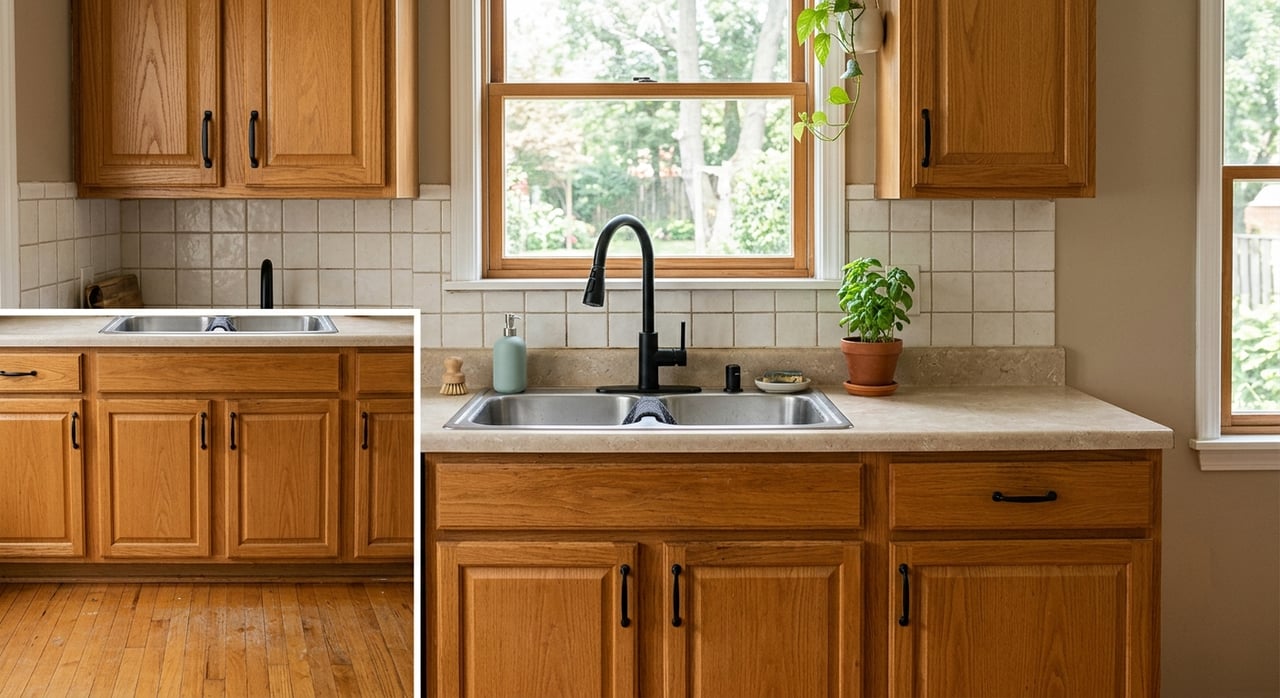
A fixer-upper can make sense in Miamisburg when the repairs are mostly cosmetic and the scope is easy to understand before closing. Think dated finishes, worn flooring, old paint colors, tired cabinets, or fixtures that need updating but not a full system overhaul. These projects are usually easier to budget, easier to schedule, and less likely to spiral.
For buyers planning to live in the home, the main question is simple: can you make the property comfortable and functional within your total budget? For buyers focused on resale or rental value, the question becomes whether the after-repair value leaves enough room for renovation costs, financing costs, carrying costs, and a cushion for surprises. In a competitive market like Miamisburg, that margin matters.
Cosmetic vs major rehab
Not all fixer-uppers are created equal. A home that needs surface-level updates is very different from one that has roof issues, electrical problems, plumbing concerns, or structural damage.
What counts as cosmetic work
HUD describes its Limited 203(k) program as a fit for non-structural repairs and move-in-ready improvements such as interior painting, kitchen remodeling, and new carpet, with up to $75,000 in repairs. Fannie Mae’s HomeStyle Renovation mortgage can also cover updates like kitchen and bathroom improvements, window upgrades, and HVAC replacement. You can review those options through HUD’s 203(k) program page and Fannie Mae’s HomeStyle Renovation overview.
In plain terms, cosmetic work often includes:
- Interior or exterior paint
- Flooring replacement
- Cabinet refreshes
- Fixture updates
- Countertop upgrades
- Basic kitchen or bath improvements
These projects can still be expensive, but they are usually easier to predict than opening walls and finding system failures.
What counts as major rehab
Major rehab starts when the house needs more than a visual refresh. HUD’s Standard 203(k) is designed for major rehabilitation and structural additions, which gives you a clue about the level of complexity involved. Roof replacement, structural changes, major remodeling, and serious electrical, plumbing, heating, or cooling issues fall into this category.
Miamisburg’s building department also regulates residential construction that involves electrical, fuel gas piping, and HVAC systems. The city says approvals are required for changes such as adding a room, deck, or garage, or installing or replacing electrical, heating, or air-conditioning systems. You can review the local process on the City of Miamisburg building, permitting, and inspection page.
Why repair costs matter more than list price
It is easy to focus on the sticker price of a fixer-upper, but the repair budget can change the whole deal. National cost guides show how quickly even common projects can add up. HomeAdvisor reports whole-house renovation averages about $52,154, or $15 to $60 per square foot, while Forbes estimates interior painting at about $3.25 to $7.75 per square foot. Angi says new flooring averages about $12.50 per square foot installed, and HomeAdvisor places average roof replacement around $9,537. Those benchmarks are summarized through HomeAdvisor’s renovation cost guide.
The key takeaway is simple: a lower purchase price does not automatically make a fixer-upper a better value. If the home needs multiple big-ticket repairs at once, the real cost can rise fast. In Miamisburg’s competitive market, that can erase the savings you thought you were getting.
Financing options for Miamisburg fixer-uppers
If you do not want to pay for repairs entirely out of pocket, renovation-friendly financing may help. The best-known mainstream choices in the research are FHA 203(k) and Fannie Mae HomeStyle Renovation.
FHA 203(k)
According to HUD’s 203(k) program information, the Limited 203(k) is geared toward less extensive, non-structural improvements, while the Standard 203(k) is used for structural repairs and larger rehab projects. HUD also notes that permits must be in place before work begins and inspections are required before funds are released.
An important detail for buyers is that if the home will not be habitable during renovation, the lender may include up to 12 months of principal, interest, taxes, and insurance in the mortgage amount. That can reduce the strain of paying both a housing payment and temporary living costs at the same time.
Fannie Mae HomeStyle Renovation
Fannie Mae’s HomeStyle Renovation mortgage uses a single loan and a single monthly payment for the home purchase and approved improvements. Fannie Mae says eligible borrowers may qualify for a down payment as low as 3% in certain cases, and up to 50% of project funds may be drawn upfront for material costs, permits, or design fees.
This option may be worth a look if you want one loan structure and your improvements will be permanently affixed and compliant with state and local laws and building codes.
VA-backed loans
If you are an eligible veteran, VA-backed home loans may also be worth exploring. The VA says these loans can help you buy, build, improve, or refinance a home, and nearly 90% of VA-backed loans are made with no down payment. Credit and income requirements still apply, but this can be a meaningful path for qualified buyers.
Permits and inspections in Miamisburg
This is where many buyers get tripped up. A fixer-upper is not just about design choices and contractor bids. In Miamisburg, permits and inspections can affect both your timeline and your budget.
The city says its building department is certified by the Ohio Board of Building Standards and enforces a property maintenance code intended to protect property values. That means your project may need to meet local code requirements before it is truly complete, especially if work involves systems or structural changes. Review the details on the city’s permitting and inspection resources.
If you are buying an older home, it is wise to budget for permit fees, inspection timing, and possible code-related updates. This is one reason disciplined buyers often do better with a clearly defined cosmetic project than with a home that needs major work in several areas.
A smart fixer-upper checklist
Before you move forward on a fixer-upper in Miamisburg, make sure you can answer these questions:
- Are the repairs mostly cosmetic, or are there major system or structural issues?
- Do you have a realistic repair budget based on the home’s actual condition?
- Have you added a contingency cushion for surprises?
- Will the property require permits or city approvals for planned work?
- If using financing, does the loan program match the scope of repairs?
- If the home will be unlivable during renovation, have you planned for temporary housing?
- After all costs, does the deal still make sense for your goals?
That contingency cushion matters. HomeAdvisor specifically advises budgeting for surprises, and that advice is especially important with older housing stock.
Local assistance may help some owners
There may also be limited local help for some owner-occupants after purchase. In October 2025, the city announced $150,000 total for its Owner-Occupied Home Rehabilitation Program, with eligible households able to receive up to $10,000 with no repayment requirement. The city said the program is for low- to moderate-income households and covers essential systems such as HVAC, roofs, plumbing, electrical, doors, windows, and accessibility improvements. You can review eligibility on the City of Miamisburg home improvement grant announcement.
Program availability and eligibility can change, so this is best viewed as a possible bonus, not something to rely on when deciding whether to buy.
So, should you buy a fixer-upper?
In Miamisburg, the best fixer-upper is usually not the cheapest house on the market. It is the one with a manageable scope of work, a realistic purchase price, and enough budget room to absorb repairs, permits, and surprises. In many cases, a mostly cosmetic project is the safer play than a house with multiple major issues.
If you want help weighing the numbers, understanding what repairs may really cost, and finding a property that fits your goals, connect with Michelle McBride. With hands-on rehab experience and practical local guidance, Michelle can help you look past the listing photos and make a more confident decision.
FAQs
Should you buy a cosmetic fixer-upper in Miamisburg?
- A cosmetic fixer-upper may be a good fit if the home is structurally sound, the repair scope is clear, and your budget can cover both the purchase and updates.
Are fixer-uppers in Miamisburg always cheaper than move-in-ready homes?
- Not necessarily. Miamisburg is described by Redfin as a very competitive market, so a dated home may still need to be priced low enough to offset repair and carrying costs.
What financing can help you buy a fixer-upper in Miamisburg?
- Options in the research include FHA 203(k), Fannie Mae HomeStyle Renovation, and VA-backed home loans for eligible veterans.
Do fixer-uppers in Miamisburg need permits for renovations?
- Many projects can require permits or approvals, especially work involving electrical, HVAC, fuel gas piping, additions, decks, garages, or other major changes.
What is the biggest risk when buying a fixer-upper in Miamisburg?
- The biggest risk is underestimating the true cost and complexity of repairs, especially when a home has multiple major issues or hidden problems in older systems.
Is there local home repair assistance in Miamisburg for owner-occupants?
- The city announced an Owner-Occupied Home Rehabilitation Program in 2025 that offered eligible households up to $10,000 for certain essential improvements, subject to program rules and availability.