Thinking about a Keys getaway you can call your own? Buying a second home in Marathon can be both exciting and complex. You want a place that fits your lifestyle, holds value over time, and maybe helps offset costs with rental income. In this guide, you’ll learn what to expect from pricing, rental rules, insurance, inspections, and timing so you can move forward with confidence. Let’s dive in.
Marathon market at a glance
Marathon sits in the Middle Keys, where island living, limited land, and waterfront demand push values higher than many mainland markets. Recent snapshots place typical single-family prices roughly in the high six to low seven figures, with medians often hovering around the 800,000 to 1.18 million range depending on the data source and month. Because Marathon is a smaller market, you should expect swings from month to month.
Micro-markets matter here. Waterfront, canal-front, and open-water properties trade differently from inland homes and condos. Inventory for waterfront homes can be tight in peak seasons. If you are serious about a purchase, ask for local MLS comps, drill into neighborhood and property type, and plan for a fast response when the right listing appears.
Personal use vs. renting
If you plan to rent your second home, you need to know the rules before you buy. Marathon buyers face two overlapping sets of regulations based on where the property sits.
Know your jurisdiction first
The City of Marathon and unincorporated Monroe County have different vacation-rental programs. Your first step is to confirm whether your property is inside Marathon city limits or in unincorporated Monroe County. Start with the City’s vacation-rental licensing hub to understand local requirements and lookups: City of Marathon vacation rentals page.
City of Marathon rules
Inside city limits, you must obtain a Vacation Rental Property License and a Vacation Rental Agent License. The ordinance outlines a fire and life-safety inspection, local 24/7 contact, owner or agent training, posted license numbers in ads, occupancy and parking standards, and enforcement procedures. The City sets minimum rental lengths that typically fall between 7 and 28 nights for licensed vacation rentals. Review the ordinance for details: City of Marathon ordinance 2010-14.
Advertising needs to match your license and minimum stay. Fees and renewal timing can change, so verify current requirements with the City.
Monroe County rules
In unincorporated Monroe County, many districts prohibit stays under 28 days. Where short-term rentals are allowed, owners need a Special Vacation Rental Permit and a licensed manager. Permits typically do not transfer on sale, so buyers must reapply and pass inspections. Learn more on the County’s program page: Monroe County Special Vacation Rental Program.
Taxes and remittance
If you rent, you must register for and remit Florida sales tax and Monroe County Tourist Development (bed) taxes. Some platforms and managers can collect for you, but you remain responsible for proper registration and remittance. Local reporting shows steady tourism and seasonal peaks that support demand for licensed rentals, especially in winter. For market context, see coverage of recent visitor trends: Florida Keys tourism holding steady.
Insurance and risk basics
Coastal ownership in the Keys carries unique risk. Build your budget around flood and wind coverage, and get quotes early in your search.
Flood zones and NFIP coverage
Many Marathon properties sit in FEMA flood zones. Flood insurance is a separate policy. Standard NFIP policies offer up to $250,000 for building coverage and $100,000 for contents. If your replacement cost is higher, you may need private or excess coverage. NFIP policies typically include a 30-day waiting period, so plan ahead. Learn more about limits and basics through FEMA’s program guidance: NFIP coverage overview.
Before you close, order a flood-zone check, request the seller’s elevation certificate if available, and compare NFIP and private quotes.
Citizens and flood requirements
Citizens, Florida’s insurer of last resort, has phased in rules requiring many policyholders to carry separate flood insurance. The specifics vary by policy tier and year, but the takeaway is simple: expect flood coverage to be mandatory or strongly encouraged in Special Flood Hazard Areas, and verify any lender requirements early. For current guidance, see: Citizens flood coverage rules.
Wind and hurricane coverage
Most Florida homeowners policies include a hurricane or wind deductible that is a percentage of your dwelling coverage, often 2, 5, or 10 percent. Premiums may be high in Monroe County. Wind-mitigation features, such as impact windows, rated shutters, roof-to-wall connectors, and newer code-compliant roofs, can reduce premiums and improve insurability. Work with local agents who regularly place policies in Monroe County. For a practical overview of statewide challenges, review this consumer-friendly explainer: How hard is homeowners insurance in 2026.
Building and permitting cautions
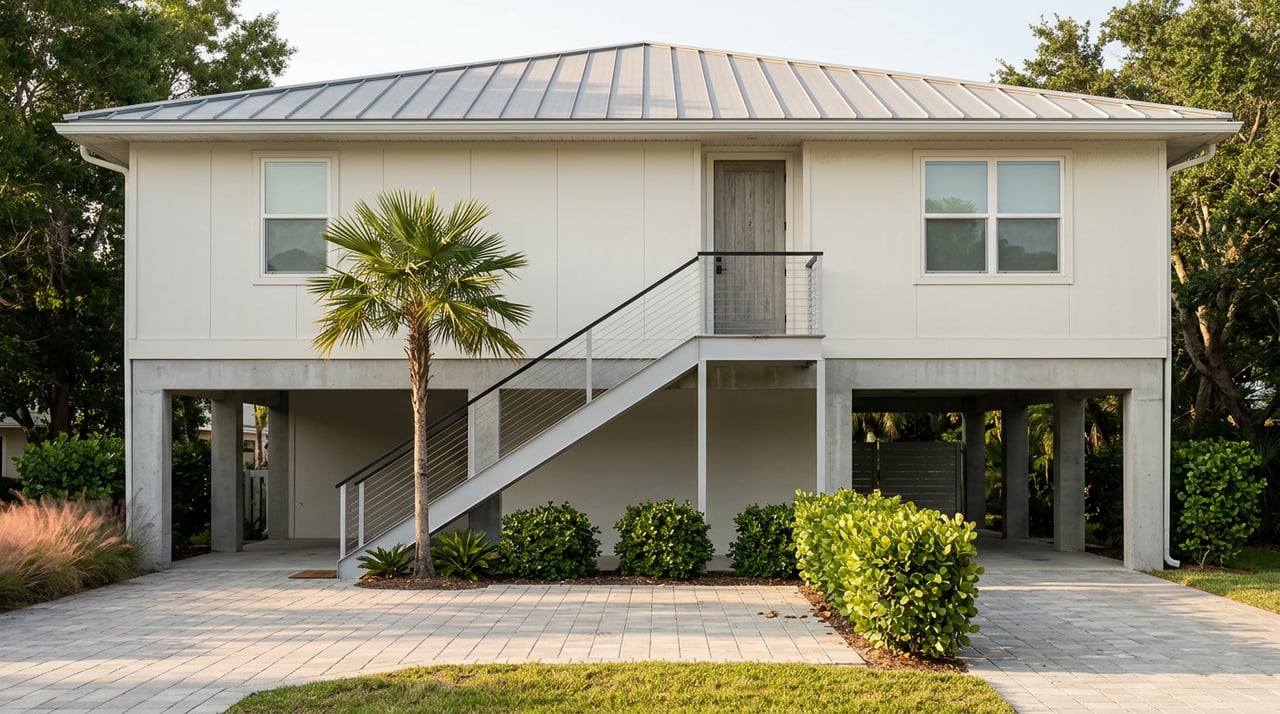
Monroe County enforces floodplain rules that affect how you repair, remodel, or rebuild. These include base flood elevation standards, substantial-improvement thresholds, limits on enclosed space under elevated homes, and transfer-of-ownership inspections. County requirements evolve, and recent code changes have adjusted rules around small enclosed areas beneath elevated homes. Always confirm the latest standards here: Monroe County flood resources.
Unpermitted work can become an unexpected cost. If you are considering docks, seawalls, lifts, or other marine structures, verify permits, surveys, and condition. For building and permitting guidance, start with the County’s overview: Building responsibly in Monroe County.
Logistics and ongoing costs
Island ownership runs on planning and local relationships. A few realities to budget and schedule for:
Access and travel
Most owners and guests arrive by car via the Overseas Highway. You can also fly into Miami, Fort Lauderdale, or Key West and drive from there. Travel windows and weather can affect arrival times, deliveries, and contractor availability, especially during peak season and after storms.
Utilities and wastewater
Confirm your property’s utility setup early. Water service typically runs through the Florida Keys Aqueduct Authority, while sewer connections or on-site systems vary by parcel. Some areas still rely on septic or holding tanks. Ask for recent inspections and any required upgrade history.
Maintenance and management
Salt air, sun, and marine conditions speed up wear and tear. Expect higher costs and longer timelines for repairs and renovations than on the mainland. If you plan to rent, you will need a responsive local contact or a professional manager. The City requires a 24/7 local contact for licensed vacation rentals.
What to verify before you write an offer
Use this checklist to reduce surprises and speed up closing:
- Jurisdiction and rental eligibility. Confirm if the property is inside the City of Marathon or in unincorporated Monroe County, then verify short-term rental rules, permit history, and whether any licenses are transferable. Start with the City’s rental licensing page and the County program.
- Flood zone and elevation. Request the seller’s elevation certificate and get early flood quotes for both NFIP and private options. Remember NFIP limits and the 30-day waiting period explained in NFIP guidance.
- Wind and flood insurance cost. Get quotes from at least two local agents and confirm whether the home is insurable in the private market or would likely use Citizens. Review flood requirements noted by Citizens.
- Structural and marine inspections. Check roof age and attachments, impact-rated openings, HVAC, electrical, plumbing, seawalls, docks, lifts, and corrosion. Verify permits and surveys for any shoreline structures using the County’s building resources.
- Wastewater and septic. Confirm sewer connection or septic/holding-tank compliance and any required upgrades.
- Code compliance and recent permits. Ask for a complete permit history and any open code issues. Review floodplain transfer or substantial-improvement requirements via Monroe County flood resources.
- HOA or condo due diligence. Review rental restrictions, special assessments, reserves, and the master insurance policy.
- Local contact and management. If renting, line up a 24/7 local manager or designate a qualified local contact in line with City rules.
Taxes and homestead status
If Marathon will be your second home, plan for property taxes without homestead benefits. Florida’s homestead exemption and Save Our Homes cap apply only to a primary residence. A second home does not qualify, so you should budget for full assessed-value exposure. For program details and eligibility, visit the Monroe County Property Appraiser’s homestead page.
Timing your purchase
Peak and shoulder seasons
The Keys’ high season runs roughly December through April. You will see more visitors and stronger short-term rental rates during winter and early spring. Summer and fall can be quieter, which may help your search and negotiations, but keep hurricane season in mind.
Hurricane season readiness
Hurricane season spans June 1 to November 30. Build in a plan for storm prep, evacuation, and supply delays after major weather events. If you intend to rent, set clear guest policies for cancellations and storm procedures.
Your next step
Buying a second home in Marathon is part numbers, part timing, and part island-savvy planning. When you work with a hands-on agent who understands inspections, permitting, and ownership costs, you make better decisions and move faster when the right property shows up. If you are exploring second homes in the Middle Keys, let’s talk through your goals, review real comps, and map out a clear purchase plan. Reach out to Michelle McBride to get started.
FAQs
What should I budget for flood and wind insurance on a Marathon second home?
- Premiums vary by flood zone, elevation, and wind-mitigation features. Get early quotes for NFIP and private flood options and confirm wind coverage and deductibles with local agents.
Can I rent my Marathon home on a short-term basis right after closing?
- Only if zoning allows it and you secure the required local licenses, inspections, and a 24/7 local contact. Verify rules with the City or County before you buy.
What are the minimum stays for licensed rentals inside the City of Marathon?
- City-licensed vacation rentals generally require minimum stays between 7 and 28 nights. Always confirm the current ordinance and your license type.
Do second homes in Marathon qualify for Florida’s homestead exemption?
- No. Homestead and Save Our Homes apply only to a primary residence. Plan for full property tax exposure on a second home.
What inspections are most important for Keys properties with docks or seawalls?
- In addition to a standard home inspection, arrange marine inspections for docks, lifts, and seawalls, verify permits and surveys, and assess for corrosion and storm wear.